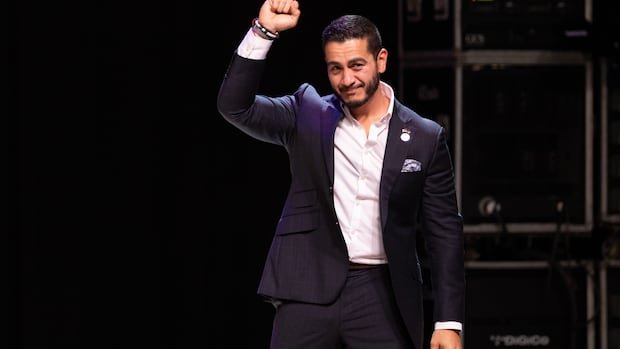
Abdul El-Sayed’s triumph in the Democratic Senate primary in Michigan is being hailed as a significant victory for the party’s progressive faction. In this crucial battleground state, the former public health official emerged victorious in a closely watched contest despite having a smaller campaign budget compared to Haley Stevens, a moderate candidate backed by over $60 million US.
El-Sayed’s win is part of a broader trend of primary successes for Democratic socialist and leftist candidates. Just recently, progressive Peggy Flanagan secured victory in Minnesota’s Democratic Senate primary. While left-leaning candidates are claiming nominations, there are doubts among some political observers about their prospects in the upcoming midterm elections.
These developments raise questions about the trajectory of the Democratic Party and who might emerge as the presidential candidate in 2028. To delve into these matters, Washington correspondent Katie Simpson engages in a discussion with Front Burner host Jayme Poisson and Bloomberg senior White House reporter Josh Wingrove.
The conversation touches upon Fareed Zakaria’s perspective on the Democratic Party’s current challenges, highlighting the need for a balance between economic policies and cultural and social issues. The discussion also references historical voting patterns and the rise of progressive figures like Alexandria Ocasio-Cortez, suggesting potential shifts in the party’s landscape leading up to the 2028 elections.
As the Democratic Party navigates these dynamics, there is a call for a reexamination of campaign strategies and messaging to resonate with voters effectively. The ongoing internal debates and leadership dynamics within the party underscore the need for a cohesive vision and strategic direction to secure electoral success in the future.