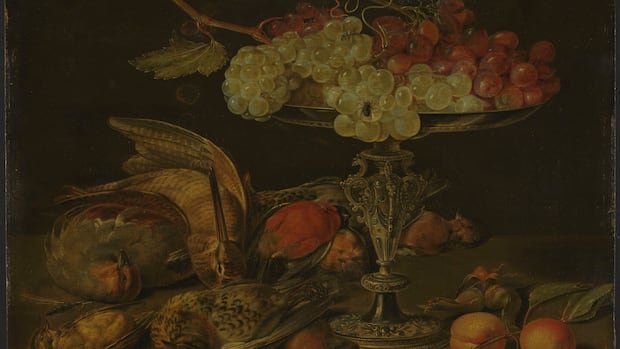

During a search in an Oslo museum storeroom in 2022, art historian Cynthia Osiecki stumbled upon a still-life painting that caught her attention. Osiecki, who had been studying the works of Clara Peeters, a pioneering artist from the 17th century, suspected that the painting might be a lost piece by Peeters.
Osiecki mentioned, “We were looking to acquire a Clara Peeters artwork, as many museums are actively seeking pieces by female artists. It was almost surreal to find a potential Clara Peeters painting in our storage without even realizing it.”
Despite being lesser-known to the public, Peeters, like many female artists of her time, has made significant contributions to the art world, according to Osiecki.
The National Museum of Norway is shedding light on historic female artists through the upcoming exhibition “Woman Painter,” which will feature works by 19 female artists, including Clara Peeters, Judith Leyster, Lavinia Fontana, and Artemisia Gentileschi.
Thorough Process to Attribute the Painting
Initially believed to be created by Ambrosius Brueghel, a famous artist from Antwerp, the painting titled “Still Life with Small Game and Grapes on a Gilded Tazza” was later reclassified as anonymous and stored away.
Osiecki’s meticulous journey to reattribute the artwork to Clara Peeters spanned several years, starting with her initial discovery in the museum storeroom.
Peeters, known for her specialization in still-life paintings, often incorporated subtle self-portraits into her works, asserting her identity in a male-dominated art world.
The painting features dead birds, hazelnuts, apricots, and grapes, which played a crucial role in identifying it as a Peeters’ piece. Despite challenges like woodworm damage obscuring the artist’s signature, Osiecki’s team confirmed Peeters as the painter after years of study and comparison.
The painting will be showcased prominently at the upcoming exhibition in Oslo.
Nora Ceciliedatter, the director of collections and exhibitions at the National Museum of Norway, highlights the importance of “Woman Painter” in highlighting underrepresented artistic perspectives.
Osiecki emphasized the need for continued research to recognize and attribute works by female artists, noting the abundance of anonymous or misattributed pieces that deserve recognition.