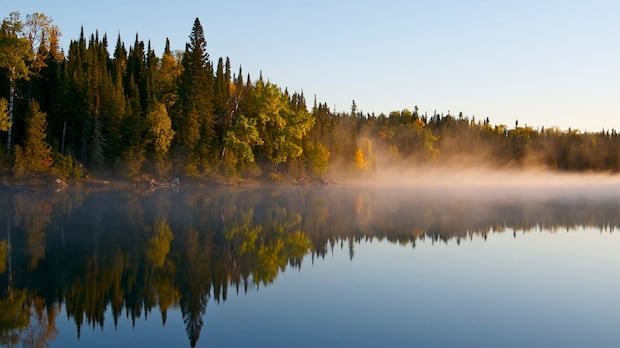
A rejuvenated forest presents a picturesque sight of towering greenery post-restoration. However, upon closer inspection, scientists have observed the absence of some of the tiniest inhabitants like mosses, lichens, algae, and fungi.
While biodiversity restoration efforts aid in reviving declining plant and animal species, recent studies reveal that the return of all inhabitants is not uniform. Certain inconspicuous species may remain scarce or missing for extended periods, potentially impacting other organisms.
University of Alberta botanist Ellen Macdonald specializes in studying the intricate ecosystem within forests, focusing on the diverse array of small flora like flowers, mosses, liverworts, and lichens. She emphasized the abundance of these lesser-known species compared to tree species in forest environments.
Macdonald’s research, in collaboration with global data, analyzed the recovery timeline of plants and animals in regenerating boreal forests post-clearcutting. The study, published in the journal Nature Sustainability, revealed that birch and aspen forests recovered within 25 years, while conifer forests exhibited a much slower recovery pace, particularly for understory plants such as lichens and mosses, taking 85 years or more to return.
The phenomenon of missing species post-habitat restoration is not exclusive to boreal forests. Wetlands and other rejuvenated habitats may appear healthy, yet some less conspicuous species remain absent. This silent loss of species, as described by associate professor Viktoria Wagner, can lead to a reduction in overall species diversity at individual sites.
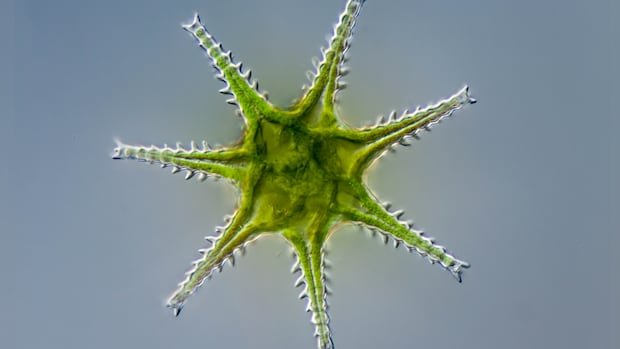
The absence of certain species, like algae, can have far-reaching implications on ecosystem functioning. Algae, despite their small size, play a significant role in global photosynthesis, influencing oxygen availability and food sources. The decline in species diversity can have cascading effects on other organisms within the ecosystem.
Understanding these recovery patterns can guide landscape managers in implementing conservation strategies that preserve a broader range of species. Selective harvesting methods in conifer forests, as suggested by Macdonald’s research, could help maintain ecosystem diversity.
The preservation of algae habitats, emphasized by scientist Michael Melkonian, underscores the importance of safeguarding these often-overlooked species. Melkonian’s efforts to collect and cultivate diverse algae strains aim to create a repository of living organisms to ensure their long-term survival.
In conclusion, safeguarding biodiversity necessitates proactive measures to protect and restore habitats across landscapes, enabling species to thrive cohesively. The continuous loss of species underscores the critical need for sustained conservation efforts to preserve the intricate web of life on our planet.