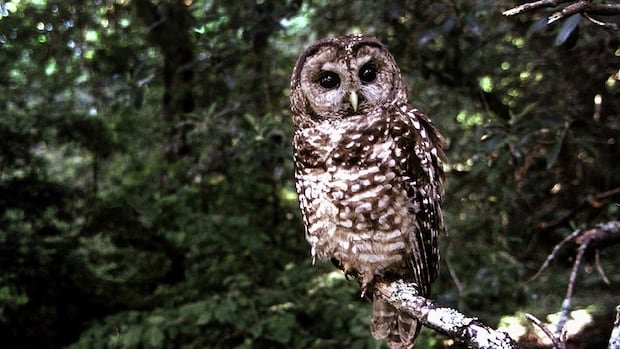
Wild northern spotted owls in British Columbia face an uncertain future, with the last confirmed sighting dating back to 2023 after a prolonged decline in their population. This loss deeply impacts the Spuzzum First Nation, as these owls are revered as knowledge keepers and ancestors providing wisdom and guidance to the community.
Collaborating with the province since 2022, the nation aims to support owl conservation efforts. While the U.S. still harbors thousands of these owls, Canada’s population is on the brink of disappearance, marking the potential end of wild spotted owls living in old-growth forests.
Despite this decline, hope remains for the species. Biologist Jared Hobbs suggests that with suitable habitats and breeding pairs, the spotted owls could make a recovery. Efforts to issue an emergency order for owl protection failed in 2023, but the government is committed to working with British Columbia and Indigenous groups on a recovery plan.
The reintroduction of captive-bred owls into the wild is a key strategy towards rebuilding the spotted owl population. The Northern Spotted Owl Breeding Program in Langley houses around 40 owls and continues breeding and releasing them into the wild. Although some released owls have met unfortunate fates, the program persists in its mission.
Critical to the owls’ survival is the preservation of old growth forests and mitigating threats like logging and competition from barred owls. The federal government has identified over 4,000 square kilometers of crucial habitat in British Columbia for protection. The fight against species extinction is a global challenge, making the efforts to save the northern spotted owl a beacon of hope in the face of environmental crises.