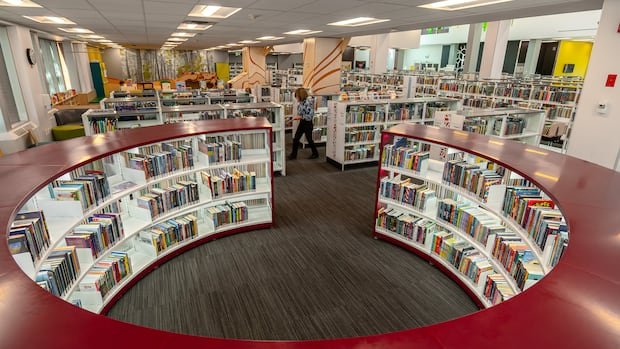
Less than half a year remains for libraries in Alberta to meet a deadline complying with new regulations on their collections. However, some librarians are expressing concerns about the practical implications of the regulations due to the extensive work and potential costs involved in compliance.
These regulations stem from Bill 28 and require Alberta’s public libraries to limit access to materials containing visual depictions of sexual acts, including books, graphic novels, magazines, films, TV series, and video games. Under the new rules, individuals under 15 years old are not allowed to access or borrow these restricted materials without parental consent.
Libraries have until January 1 to determine which materials to restrict, establish storage protocols, and implement access regulations. Lesley Moody, manager of the Olds Municipal Library, highlighted the complexity of the task, citing the need to meticulously review graphic novels to identify and restrict specific content.
Moody estimated that her library would require approximately 600 hours of labor, equivalent to $15,000, solely to assess the graphic novel collection. Additional costs would be incurred for evaluating DVDs, video games, securing new shelving units, and developing new workflows and policies regarding children’s library cards and parental permissions.
While Moody is confident in her staff’s capacity to manage the review process without closing the library temporarily, she acknowledged that smaller libraries might have to resort to such measures due to staffing constraints.
The province intends to issue guidelines this month to assist libraries in adapting or formulating new policies in response to Bill 28. Questions linger among library professionals, such as the applicability of the restrictions to educational materials or historical books featuring explicit imagery, and whether ratings systems can be relied upon for films and video games.
The bill’s press secretary emphasized that the aim is to implement access controls rather than censorship, assuring that libraries will not be compelled to remove any materials from their shelves. However, concerns have been raised about the potential impact of the restrictions on the visibility and accessibility of certain materials, prompting fears of books becoming effectively hidden from public view.
The new regulations have sparked debates within the library community, with some expressing apprehensions about potential limitations on freedom of expression rights for young library users. While some advocate for constitutional challenges against the restrictions, others are closely monitoring Alberta’s developments to anticipate potential similar legislative actions across Canada.