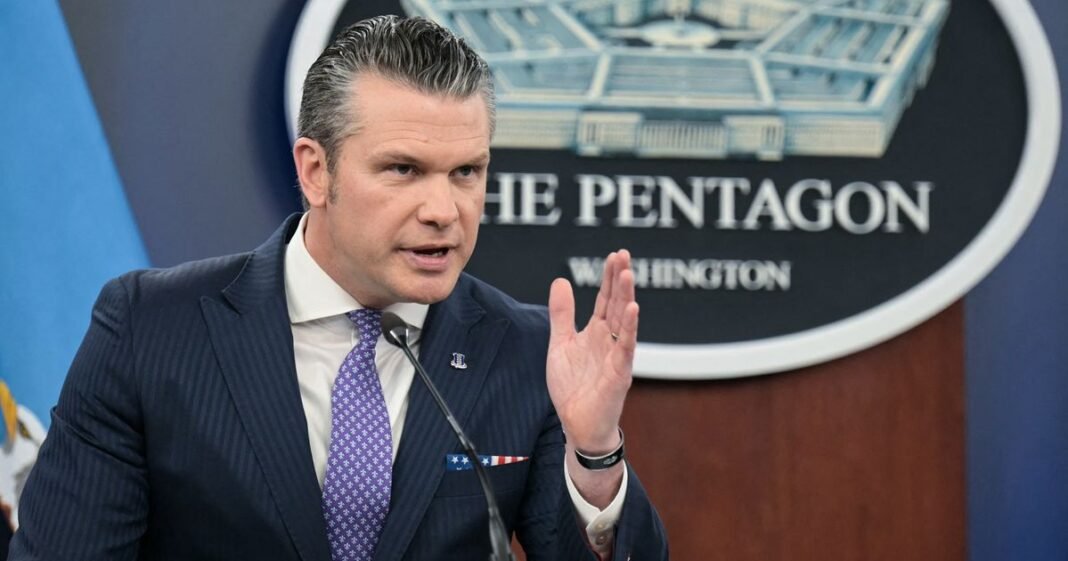
The Chief of Staff of the US Army, General Randy George, has announced his immediate retirement, reportedly at the request of Secretary of Defense Pete Hegseth. Sources indicate that Hegseth desires a new appointee who aligns with his and President Trump’s strategic vision for the Army. General George’s unexpected departure before his planned tenure end has raised eyebrows.
In another development, President Donald Trump took a swipe at Keir Starmer during a White House event, ridiculing Britain’s position on Iran. Trump humorously mentioned Britain’s inability to deploy troops to the Middle East and joked about their aged aircraft carriers assisting in reopening the Strait of Hormuz, closed since late February due to conflict.
General Randy George, who served as a senior military assistant to Lloyd Austin from 2011 to 2021, has a long history of military service, including participation in the Gulf War, Iraq, and Afghanistan conflicts. His retirement comes as a surprise given that the Army chief of staff role typically spans four years, with George’s expected tenure stretching until 2027.
Reports suggest that Secretary Hegseth aims to have the next Army chief of staff implement his and President Trump’s strategic objectives for the military, leading to General George’s abrupt retirement as confirmed by the Pentagon. An official from the Defense Department expressed gratitude for George’s service but emphasized the need for a leadership change within the Army.
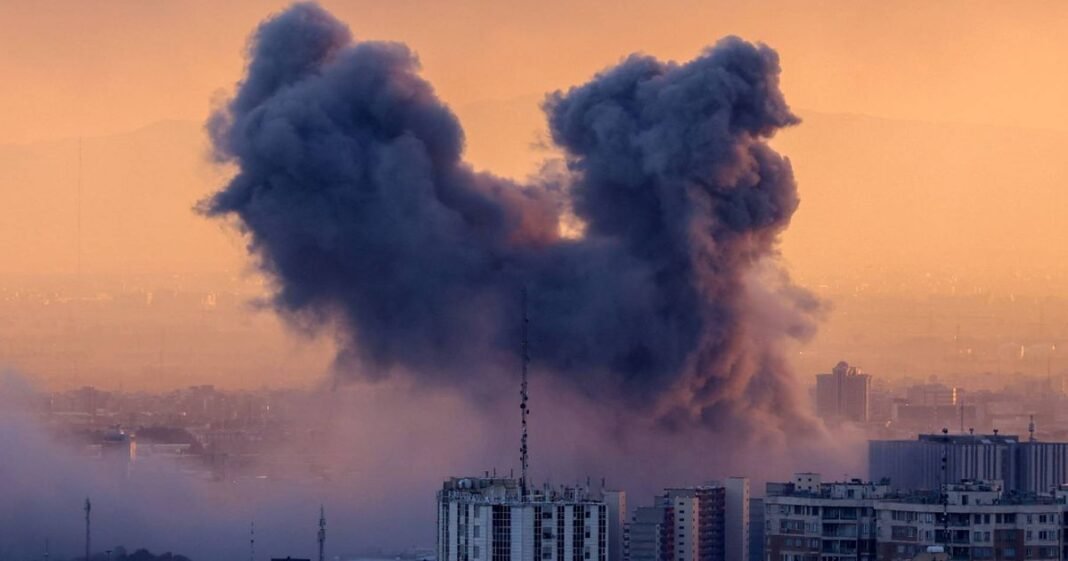
In a separate incident, President Trump shared a video highlighting a bridge in Iran and urged the government to engage in negotiations before it’s too late. The strike on the bridge in Karaj resulted in casualties and heightened tensions in the region. Meanwhile, international concerns over the Strait of Hormuz closure persist, with Iran facing potential sanctions if the vital shipping lane remains blocked.
As geopolitical tensions escalate, President Trump’s unconventional leadership style continues to draw attention, with recent dismissals within his administration sparking further debates. Amidst these developments, global leaders navigate delicate diplomatic waters to address pressing international crises.