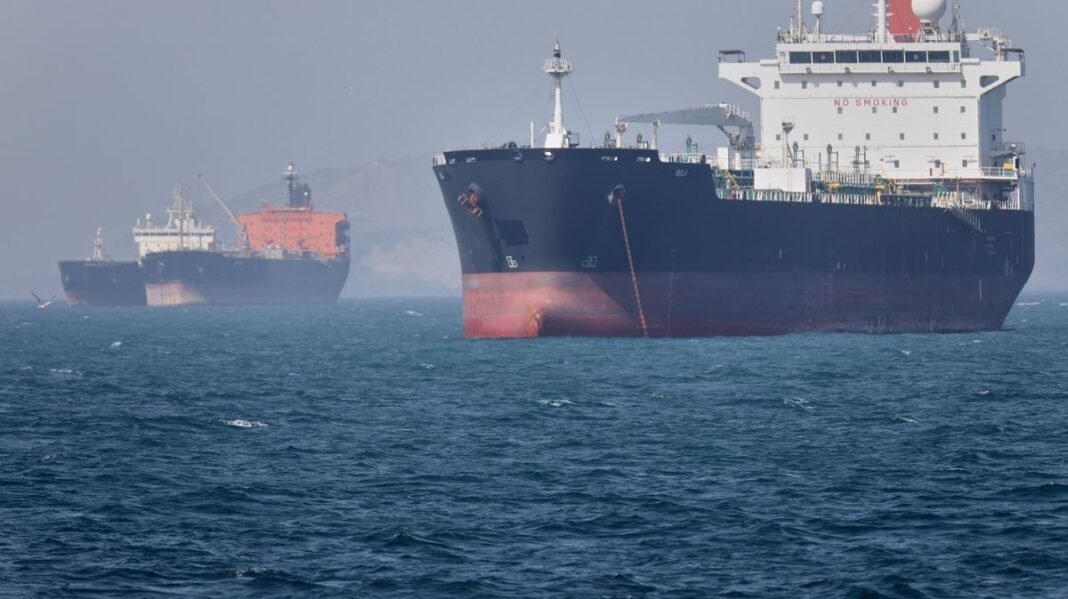
Oil prices surged amid escalating tensions in the Strait of Hormuz, jeopardizing the fragile truce between the US and Iran. Recent conflicts in the Middle East, beginning on February 28 with joint US-Israeli strikes on key Iranian facilities, led to retaliatory actions by Iran, including the closure of the vital Strait of Hormuz trade route responsible for a fifth of global oil shipments.
In response, the US initiated a blockade on Iranian ports within the strait to exert economic pressure and facilitate peace talks. Despite President Trump’s assurance of safe passage for non-participating vessels, concerns persist among market participants. Brent Crude, the leading global oil price benchmark, surged by 6% to $114.44 per barrel, with subsequent fluctuations observed.
The US military reported the destruction of six Iranian boats following attacks on commercial and military vessels. Concurrently, the United Arab Emirates reported incidents involving Iranian missiles and drones, highlighting the volatile situation. Analysts predict further oil price increases due to potential infrastructure damage and prolonged trade route disruptions.
On May 4, the UAE intercepted multiple missiles and drones launched from Iran, with reported engagements against various projectiles. One missile struck a petroleum facility in Fujairah, resulting in a fire. President Trump announced US military guidance for vessels navigating the strait, yet maritime traffic remains limited in the region.
A UK-flagged ship sustained damage near Dubai, with crew members safe despite an engine room fire. Meanwhile, the International Maritime Organisation estimated that around 20,000 seafarers are stranded on approximately 2,000 vessels within the Strait of Hormuz, underscoring the significant impact of the ongoing crisis.