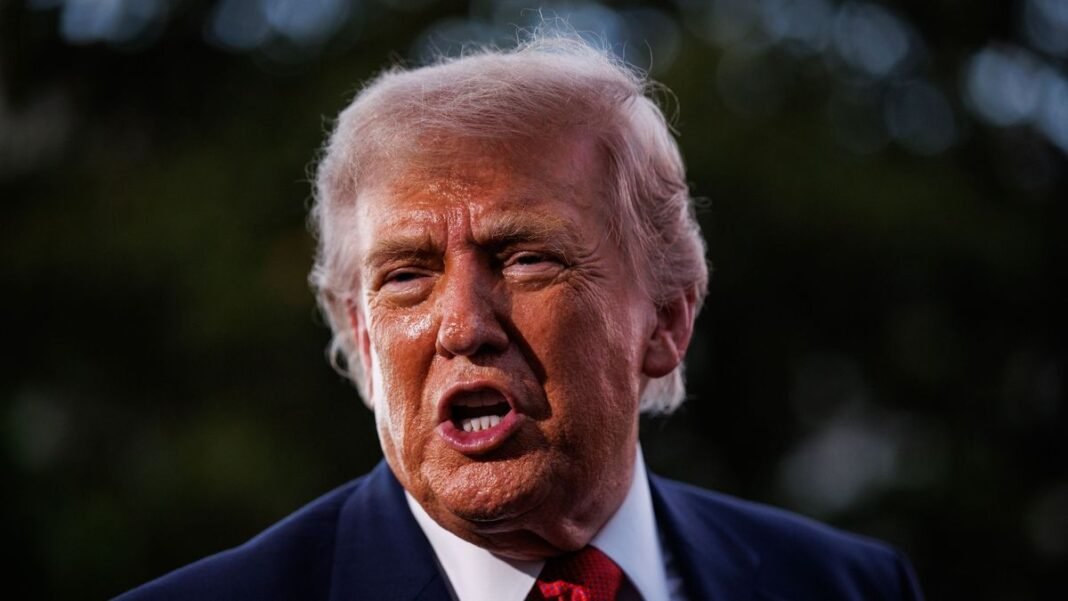
Iranian leaders have reportedly identified weaknesses in Donald Trump’s approach and are exploiting them, according to an expert commenting on the ongoing conflict in the Middle East. Despite Trump expressing optimism about negotiations with Iran to prevent nuclear weapon development, the ceasefire since April 8 has highlighted challenges in the US strategy.
Repeated claims by the US President about the conflict’s imminent resolution have not materialized, leading to prolonged military engagement and significant financial costs. Criticism has arisen regarding Trump’s aggressive rhetoric, with doubts emerging about the effectiveness of his tactics in ending the war swiftly.
Security and defense analyst Professor Anthony Glees emphasized the diminishing impact of Trump’s forceful language, suggesting that Iran perceives and capitalizes on the perceived weakness. Iran’s ability to disrupt oil shipments through the Strait of Hormuz has triggered an international oil crisis, impacting fuel prices globally, including in the US where petrol prices are rising.
Furthermore, the mishandling of the conflict has conveyed a message to China about the limitations of American military power, despite initial military successes. Glees termed the situation a strategic setback for Trump and the US, indicating a broader demonstration of American power constraints to the international community, particularly Iran and China.
Public sentiment, as reflected in a recent poll, indicates strong disapproval of Trump’s decision to engage in the war, with a majority of American voters considering it a wrong move. Despite this, a significant portion of Republican supporters continue to back Trump’s stance.
The conflict’s unpopularity both domestically and internationally underscores the challenges and complexities faced by the US in the ongoing military engagement.