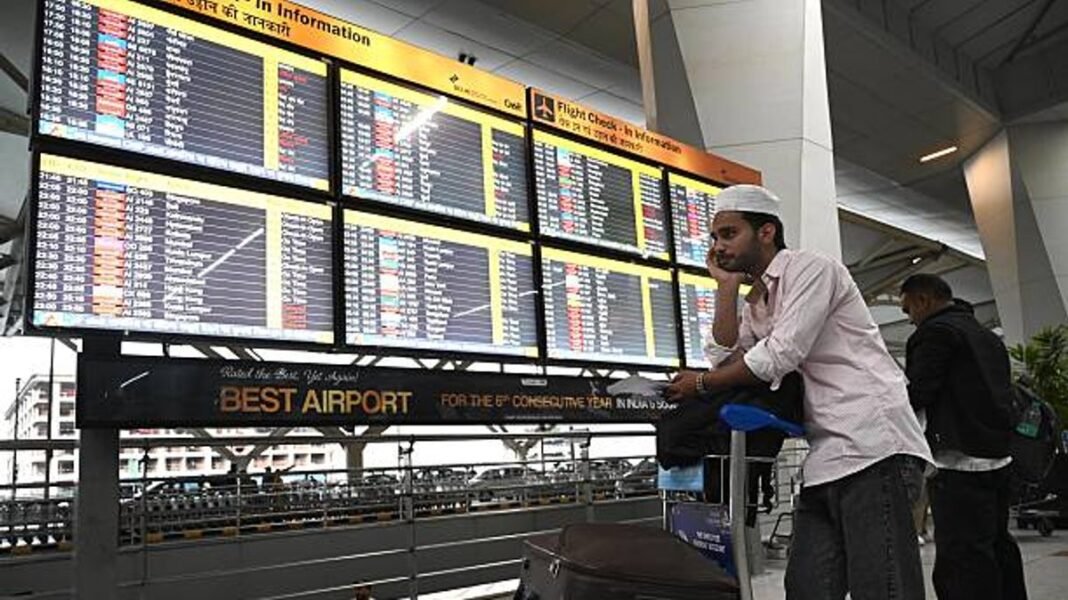
Travellers throughout Asia faced disruptions as major airlines axed numerous flights and caused extensive delays in a single day. Thousands of individuals were impacted in countries such as Thailand, Singapore, India, China, South Korea, and Malaysia on Thursday, May 7. Reports indicated that 194 flights were canceled while 2,603 were delayed during this period.
The Indira Gandhi International Airport in New Delhi, India bore the brunt of the chaos with 365 delays, while Haneda Airport in Tokyo, Japan experienced 282 delays, ranking it among the busiest disrupted hubs in Asia and the second most affected.
Shanghai Airlines took the hardest hit among carriers, having to cancel 58 flights. The reasons behind the widespread aviation disruptions across Asia remain unclear, but airlines globally have expressed concerns regarding jet fuel costs and supply.
The jet fuel supply chain was disrupted by the US-Iran conflict, which escalated following joint strikes by the US and Israel on key Iranian sites. In response, Iran retaliated by targeting sites across the Middle East and blocking the critical trade route of the Strait of Hormuz, through which 20% of global oil trade flows. This disruption led to a reduction in global oil supply, impacting flight operations.
In the UK, travelers may find their flights rescheduled as the government relaxes a rule that airlines rarely break. The Transport Department has allowed carriers to merge flights and combine passengers temporarily to conserve jet fuel and assure travelers that their trips will not be canceled outright.
This measure aims to reduce the number of departing aircraft, minimizing wasted fuel from operating near-empty flights. Airlines are reevaluating their schedules to optimize airport departures, potentially transferring passengers from under-booked flights to similar services with higher demand.