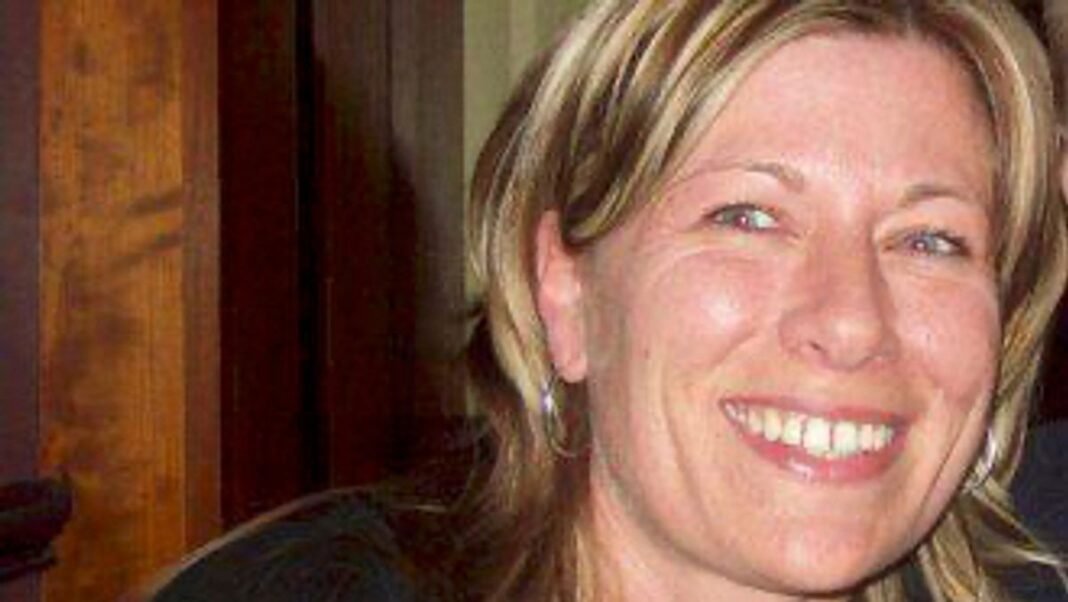
A British mother, Wendy Duffy, aged 56, chose to end her life in Switzerland at the Pegasos assisted dying clinic, despite not having a terminal illness. This decision came after the tragic death of her 23-year-old son, Marcus, four years ago. Wendy’s family was shocked by her choice, with her twin sister expressing surprise that they were not informed directly but learned about it through the media. Wendy’s nephew, Marcus, criticized the clinic for not consulting the family before Wendy’s passing, contrary to their claims.
The process at the Swiss clinic involved rigorous assessments by a panel of experts, including psychiatrists, who evaluated Wendy’s case before approving her decision. The clinic asserts that Wendy underwent necessary procedures, including interviews and submitting medical records, and passed her final psychiatric assessment a week before her death. However, Marcus raised concerns about Wendy’s mental health, stating that she exhibited signs of depression following her son’s death.
While there are no legal violations reported, questions have been raised about whether adequate support was provided to Wendy before she opted for assisted suicide. Swiss law permits assisted suicide under specific conditions, ensuring it is not driven by self-serving motives and the patient’s condition is severe, long-lasting, and treatment-resistant. Wendy’s tragic loss of her son due to an accident deeply affected her, leading to her decision to end her life at the clinic.
Family members, including Wendy’s twin sister and nephew, have expressed their grief and concerns over the circumstances surrounding Wendy’s choice. Despite the clinic’s claims of informing family members and receiving their approval, discrepancies exist as to whether Wendy’s family was truly consulted before her final decision. The emotional toll of losing a loved one and the complexities of mental health issues have been highlighted in this distressing situation.