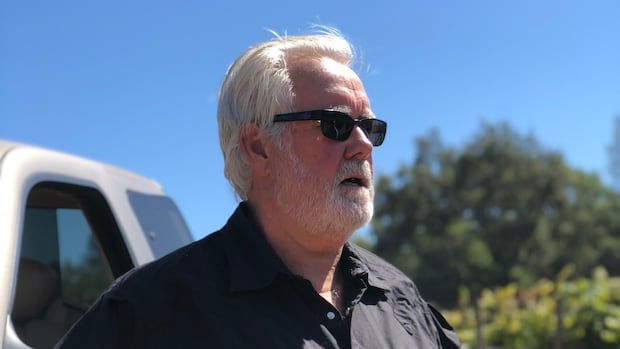
In the past, Bill Easton had a routine delivery schedule for his Syrah wine shipments to Montreal. Every six weeks, a truck would collect the wine from his winery in the Sierra Foothills of northern California. However, this predictable process changed when Quebec halted the sale of American alcohol, disrupting Easton’s business operations. Now, he pays $1,200 every four weeks to store his wine in a climate-controlled facility due to the ban.
Easton, the owner of Terre Rouge Wines in Plymouth, Calif., mentioned that he has wine specifically labeled in both English and French for the Quebec market, waiting unsold in a warehouse. The prohibition on U.S. alcohol by Canadian provinces has become a focal point in trade discussions as provincial leaders weigh the option of reintroducing American liquor to resolve trade tensions with the United States.
Expressing confusion at the situation, Easton stated in an interview that winemakers and industry groups feel like pawns in the negotiation process. He emphasized that they are simply farmers and producers selling their products to customers who appreciate their craft.
With most Canadian provinces ceasing the distribution of U.S. alcohol in response to tariffs imposed by President Donald Trump, Prime Minister Mark Carney has urged provinces to reconsider this stance to prevent further tariffs on Canadian goods. While some premiers have indicated a willingness to comply if the deal is beneficial, others have expressed reservations about giving up leverage in the ongoing trade dispute with the U.S.
Manitoba Premier Wab Kinew criticized President Trump’s approach, calling him weak and suggesting that Canada could gain more by standing firm. Despite considering lifting the ban on U.S. alcohol, Kinew advised against purchasing American products, questioning the reliability of any trade deal with the current U.S. administration.
The absence of American alcohol on Canadian shelves has irked Washington, with Trump citing this issue as one of the reasons behind his tariff threats on Canadian imports. The U.S. has criticized Canadian liquor boards for imposing barriers on American alcohol sales, including listing restrictions, pricing regulations, and distribution requirements.
The Oregon Wine Growers Association, representing a significant portion of Oregon’s wine industry, expressed optimism about resolving the trade dispute. However, they emphasized the need for a long-term agreement to rebuild trust and sustain relationships with Canadian consumers, highlighting the importance of stability in trade relations.
A recent poll revealed that a majority of Canadians are unwilling to resume purchasing American alcoholic beverages due to personal preferences or loyalty to domestic brands. Some companies, like Phillips Distilling, have taken proactive measures to secure their market share, relocating production to Canada to maintain business continuity despite trade uncertainties.
Trade data indicates a significant decline in U.S. wine exports to Canada, prompting concerns among American producers about the impact of the trade dispute on their industry. Industry representatives have called for a negotiated solution to restore American spirits to Canadian retail shelves and return to a tariff-free trade framework.
Bill Easton estimated substantial financial losses due to the alcohol bans, underscoring the challenges faced by businesses caught in the crossfire of international trade disputes. Despite hoping for a resolution, he remains cautious about the prospects of returning to normalcy in the current trade climate.