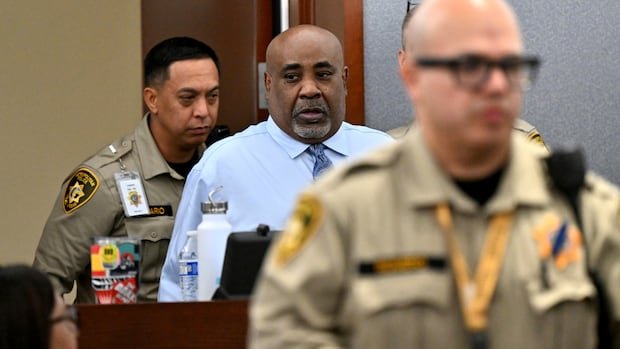
A murder trial involving the killing of rap icon Tupac Shakur commenced with jury selection for former gang member Duane (Keffe D) Davis, aged 63. The trial centers on Shakur’s 1996 death in Las Vegas, with Davis facing a murder charge related to gang activity. Although in custody since 2023, Davis maintains his innocence. The trial is anticipated to last approximately a month.
The prosecution’s strategy is not to establish Davis as the shooter but to portray him as the influential figure within the group that targeted Shakur in the 1996 incident. During jury selection, Davis appeared composed alongside his legal counsel, as potential jurors were screened by Judge Carli Kierny.
Despite the trial potentially offering some accountability, William Leslane, Shakur’s cousin, expressed skepticism about achieving true justice after three decades. Leslane highlighted the lack of a thorough investigation at the time of Shakur’s murder, indicating a perceived weakening of the quest for justice over the years.
Key evidence in the trial is expected to be derived from Davis’s co-authored book, “Compton Street Legend,” where he detailed his alleged involvement in the shooting. Shakur, a prominent figure in the rap scene known for hits like “Dear Mama” and “California Love,” was tragically killed at the age of 25. The trial has reignited interest in the circumstances surrounding Shakur’s untimely demise, shedding light on the complex dynamics within the hip-hop industry during that era.
The night of the shooting, Shakur and Marion (Suge) Knight, Death Row Records co-founder, were attacked while driving in Las Vegas following a boxing match. The fatal shooting led to widespread speculation and conspiracy theories, further fueled by the rivalry between East and West Coast rappers.
Davis’s account in his book suggested the shooting stemmed from a perceived act of retribution earlier in the evening. His narrative detailed the events leading up to the tragic incident, shedding light on the underlying tensions and motivations at play.
As the trial progresses, legal experts anticipate the memoir, interviews, and witness testimonies to play pivotal roles in determining Davis’s culpability. The defense is expected to challenge the authenticity of Davis’s account, emphasizing the co-writer’s involvement in shaping the narrative.
Despite the remorse expressed by Davis in his book, acknowledging the loss of a talented artist in Shakur, the trial serves as a critical juncture in unraveling the mysteries surrounding the legendary rapper’s murder. Shakur’s enduring legacy as a multifaceted artist and cultural icon continues to resonate within the music industry and beyond.