U.S. President Donald Trump urged Americans to bear a slight increase in gasoline prices as a necessary measure to prevent Iran from acquiring nuclear weapons. He announced plans to designate the Strait of Hormuz as U.S. territory. Trump’s stance poses a political challenge as higher fuel costs clash with his pledge to reduce energy expenses, prompting Democrats to highlight the economic implications ahead of the November midterm elections.
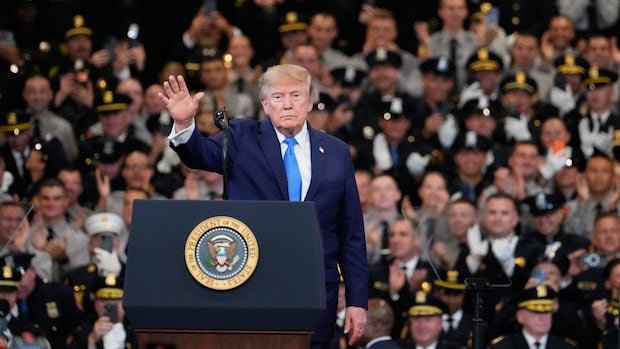
Speaking in Garden City, N.Y., Trump emphasized the importance of paying marginally more for gasoline to hinder the nuclear ambitions of what he described as “a very evil country.” He defended his administration’s actions, stating that the efforts were beneficial not just for the U.S. but for global security.
Approximately 20% of worldwide oil and LNG shipments typically traverse the Strait of Hormuz, leading to concerns of prolonged disruptions and subsequent oil price hikes. Trump’s declaration regarding the territorial status of the strait raised questions about the seriousness and official policy implications of his statement.
In response to Trump’s remarks, Kazem Gharibabadi, Iran’s deputy foreign minister, dismissed the notion of external control over the strait, asserting that its operations would solely be managed by Iran. The heightened tensions surrounding the strategic waterway have contributed to recent spikes in oil prices, with Brent crude nearing $90 per barrel and U.S. gasoline prices reaching around $4 per gallon.