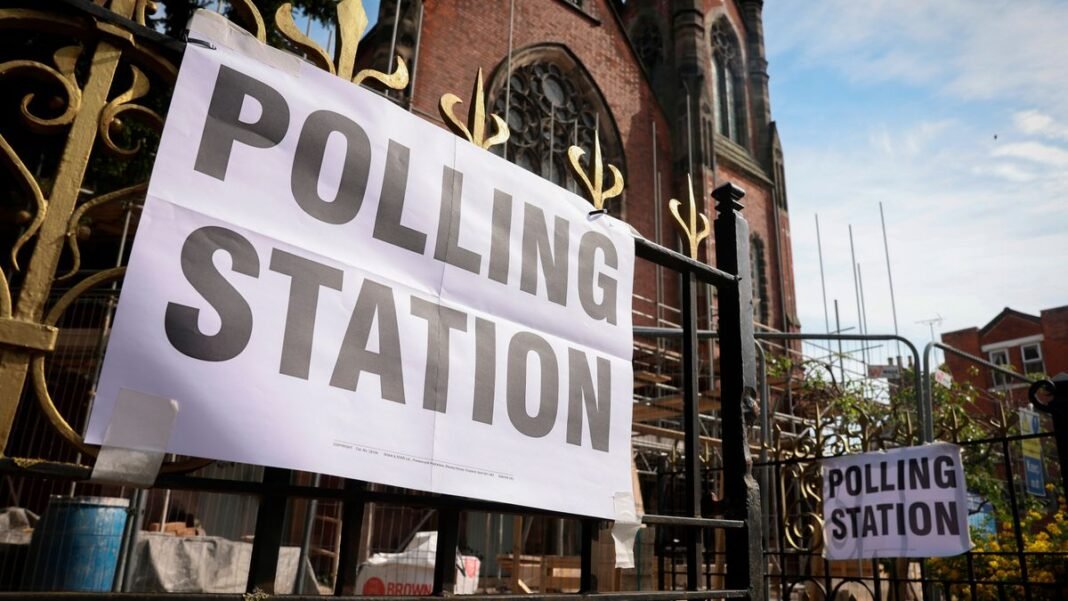
Half of teenagers aged 13 to 17 are undecided about their political allegiance or whether they will participate in a potential general election. This uncertainty coincides with the Labour government’s intention to reduce the voting age to 16 by the next election, set for 2029.
A recent study by the Children’s Commissioner reveals that 90% of young individuals are apprehensive about the future, with concerns revolving around securing employment and financial stability ranking high among their worries.
The release of Dame Rachel de Souza’s Big Future report at the Commissioner’s Festival of Childhood in Manchester’s Science and Industry Museum sheds light on the youth’s perspectives. The survey shows that 28% of children are unsure about their voting preferences, with 20% uncertain about participating in the electoral process. Additionally, 11% have expressed no intention to vote in the upcoming general election, while another 11% lean towards supporting the Labour Party.
Reform emerges as the second most favored party at 9%, followed by the Green Party at 8%. The vast majority of those surveyed (90%) harbor concerns about the future, spanning from housing and financial security to academic performance, as well as fears related to conflict and war.
Dame Rachel de Souza emphasized the significance of the upcoming electoral changes, highlighting the need for increased engagement with young voters. She underscored the importance of addressing children’s concerns to shape the future landscape of England and ensure their active involvement in democratic processes.
The Commissioner urged political representatives at both local and national levels to interact with children directly, visiting schools and community spaces to better understand their perspectives. She emphasized the necessity of ongoing dialogue with children to improve their well-being and future prospects, stressing the importance of listening to those whose voices are often overlooked.