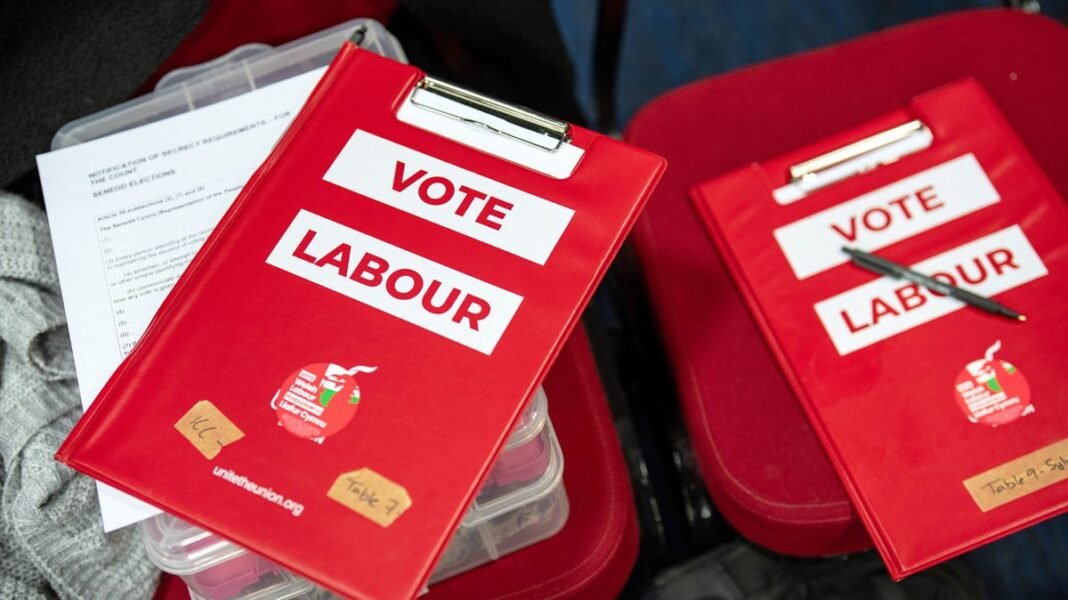
The recent election outcomes are undeniably distressing, impacting not only the Labour Party but also the broader trade union movement and the nation as a whole.
Reform UK has been capitalizing on the decline in Labour’s support, raising concerns about the potential rise of an extremely right-wing government. Such a shift could lead to unprecedented challenges for workers, migrants, and the most vulnerable members of society. The responsibility for this situation falls on Keir Starmer and his associates.
Instead of fulfilling the electorate’s desire for change, the country finds itself in a deepening affordability crisis and faced with scandals reminiscent of past Tory administrations. Many anticipate a change in leadership in the near future, possibly resulting in a new Prime Minister.
While there is much speculation about Keir Starmer’s tenure and its eventual end, the focus should be on constructive discussions about Labour’s path forward and how to rebuild the party.
To ensure Labour’s survival, a return to its core values as the party of the labor force is vital. Prioritizing the interests of workers and communities, even in the face of opposition from powerful minority groups, is crucial.
By autumn, the incoming prime minister must swiftly implement a plan to enhance the lives of working individuals. This includes substantial investments, financed by levies on extreme wealth, to revamp public services and a clear strategy to boost wages and decrease expenses. A starting point should be restoring the salaries of public service employees.
Labour must fulfill its commitments, such as the significant insourcing of public services and the establishment of a National Care Service. As the leader of UNISON, I support those advocating for a shift in Labour’s direction and a rectification of current leadership failures. However, prospective Labour leaders must demonstrate their commitment to the welfare of working people rather than relying solely on personality.
The next Labour leader cannot perpetuate the same ineffective strategies as the current leadership. Bold actions are necessary, as a failure to act decisively may cost the party public trust. Prioritizing military spending over the needs of workers and essential services is unacceptable.
Additionally, continued deference to city bankers or treasury officials at the expense of workers’ fair share of wealth is intolerable. UNISON, representing 1.4 million workers, emphasizes the importance of Labour making the right choices, especially with potential political shifts on the horizon. The stakes are incredibly high.