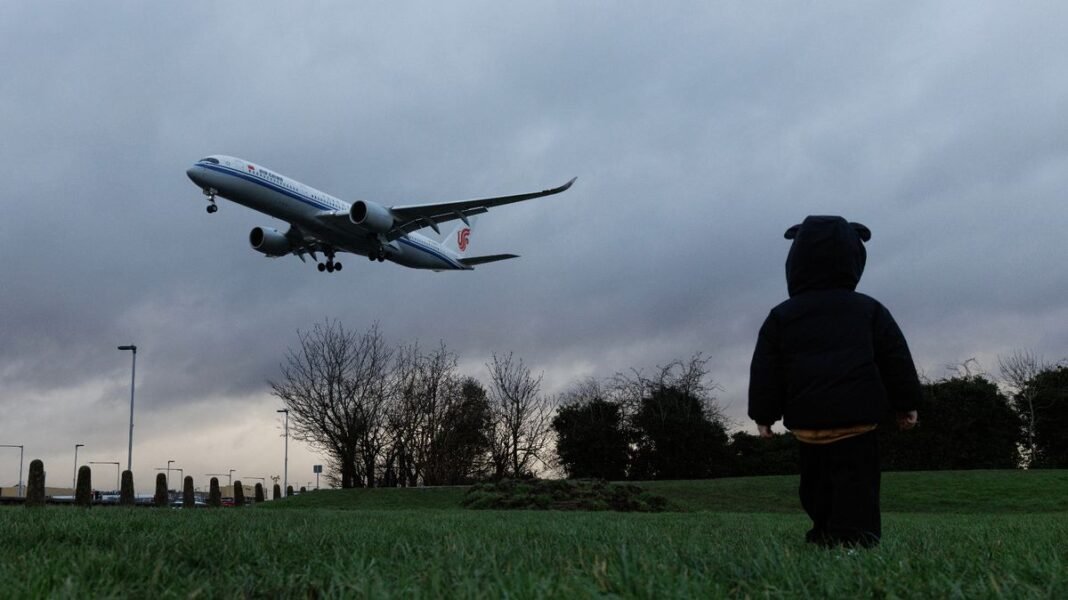
Britain faces the threat of rationing jet fuel due to shortages resulting from tensions in Iran, as per an expert’s warning. Concerns have risen over Europe’s jet fuel market as supplies may dwindle to critically low levels, potentially impacting summer travel. Notably, airlines like KLM and Lufthansa have already axed flights due to fuel apprehensions.
Goldman Sachs, a prominent investment bank, highlighted the severe market constraints caused by the ongoing closure of the Strait of Hormuz. The UK is particularly vulnerable due to its limited reserves, heavy import reliance, and constrained refining capacity. The possibility of fuel rationing is being considered to sustain the travel industry.
Jet fuel prices have surged since the conflict began in late February, prompting cautionary statements from Keir Starmer regarding travel plans. The UK, being Europe’s largest net jet fuel importer, lacks strategic reserves, relying heavily on commercial inventories. Consequently, the risk of rationing measures looms large, especially in Britain.
The Gulf region supplies a significant portion of global fuel, and Europe’s reliance on these supplies has led to heightened competition for alternative sources, further driving up prices. The UK’s dependence on Middle Eastern imports exacerbates the situation, with airlines potentially facing flight cancellations and fare hikes.
Airlines are bracing for substantial cost increases, with Air France and American Airlines anticipating multi-billion-dollar spikes in their jet fuel bills. These added expenses are likely to translate into higher fares and reduced passenger amenities.
Despite government assurances of alternative supply sources, industry experts remain skeptical. Concerns also arise from the UK’s diminished refining capacity post the closure of the Grangemouth refinery and uncertainties around the Prax Lindsey refinery’s future.
Analysts attribute Europe’s energy pricing challenges to climate-focused policies, leading to higher costs and increased import reliance. While current demand seems manageable, disruptions could arise by mid-to-late June if the Strait of Hormuz remains closed.
Government officials have emphasized ongoing collaboration with stakeholders to maintain flight operations. Measures are being explored to assist airlines in planning realistic schedules to mitigate disruptions and safeguard travel plans.