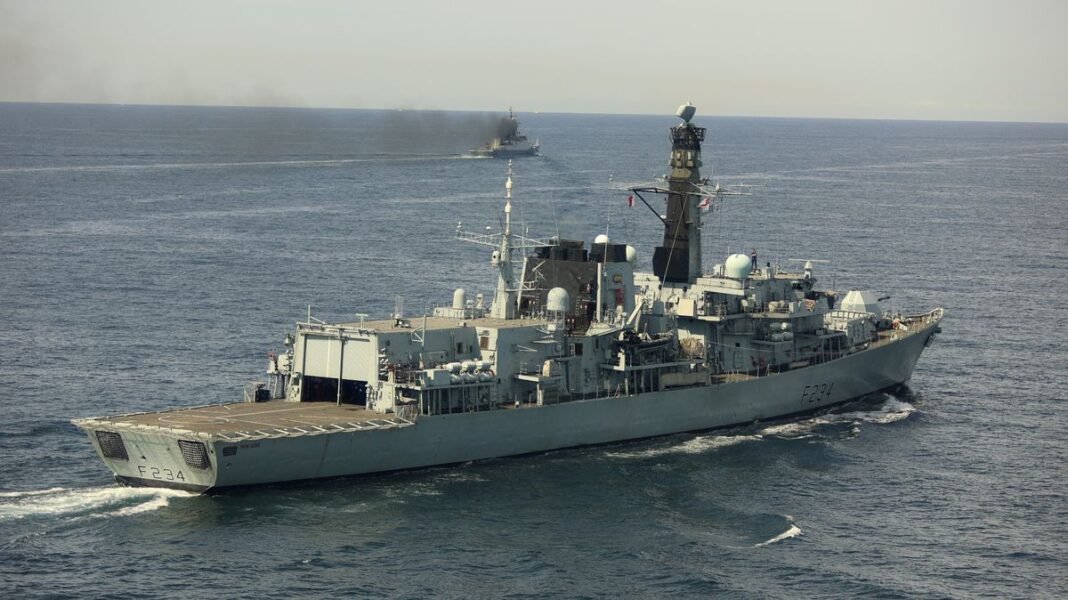
The British Royal Navy is now operating with only five crucial warships for national defense following the retirement of HMS Iron Duke from active duties. The vessel underwent a quiet decommissioning process after its weaponry and sensors were dismantled, a move that occurred shortly after a significant £103 million refurbishment three years ago.
Due to persistent technical challenges since 2017, over 1.7 million man-hours were dedicated to resolving issues with the frigate. Its decommissioning has reduced the Royal Navy’s frigate count to just five, as financial constraints continue to impact the division.
In efforts to modernize its fleet, the Royal Navy leadership has disclosed plans to replace aging Type 23 frigates with the more advanced Type 26 frigates. Additionally, the Navy is aiming to introduce Type 31 frigates, with a commitment to deliver 13 new warships in the upcoming years.
HMS Iron Duke, known for safeguarding shipping lanes and supporting humanitarian missions, has been a cornerstone of the Royal Navy’s capabilities. While the retirement of the vessel did not immediately draw criticism, it has fueled calls for increased military investment.
General Richard Barrons raised concerns over the Army’s financial constraints, highlighting a lack of funds for new weaponry until 2030. He criticized the government’s delay in disclosing the Defense Investment Plan, emphasizing the importance of adequate resources for national defense and NATO contributions.
Addressing these concerns, the Ministry of Defence emphasized ongoing strategic planning to balance operational needs with budget constraints. The ministry highlighted investments in modern submarines, advanced warships, and autonomous vessels to enhance maritime capabilities in the North Atlantic and beyond.