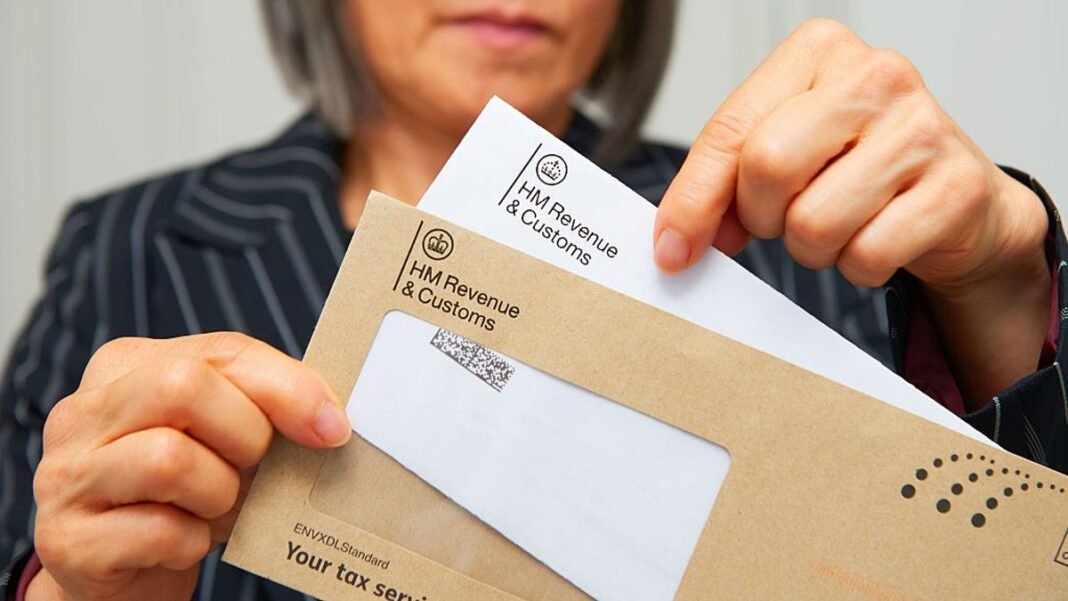
A recent analysis indicates that frozen tax thresholds have caused an additional seven million individuals to be brought into the income tax system. The number of income taxpayers for the 2025/26 tax year has reached 40 million, marking an increase of 1.3 million within a year and a total of 7 million since the freezing of tax thresholds in 2021/22.
Currently, the personal allowance stands at £12,570, which signifies the income level before tax obligations kick in. Beyond this threshold, individuals are subject to the basic 20% income tax rate. Higher earners exceeding £50,270 face a 40% rate, while those earning over £125,140 are taxed at a 45% rate.
In a recent Budget announcement, Rachel Reeves confirmed the extension of the freeze on tax thresholds for an additional three years, ensuring no increase until 2031. This fiscal maneuver, known as fiscal drag, results in more people being pushed into higher tax brackets over time as their incomes rise.
Sarah Coles, a personal finance expert at AJ Bell, suggests strategies to minimize income tax, such as utilizing pension contributions for tax relief at the highest marginal rate and safeguarding savings interest through a Cash ISA. Moreover, considering a Stocks and Shares ISA can shield investments from dividend and capital gains tax when transitioning tax brackets leads to increased tax liabilities.
Furthermore, 5,000 more estates were affected by inheritance tax in the last tax year, bringing the total to 32,000 estates subject to this tax in 2025/26, a rise of 5,000 since 2020/21. The trend is expected to continue, with an estimated 10,500 more estates anticipated to incur inheritance tax at death in 2027/28.
Coles emphasized that while inheritance tax primarily impacts those with substantial estates, the growing number of taxed estates underscores the importance of considering lifetime gifts to mitigate potential tax burdens.