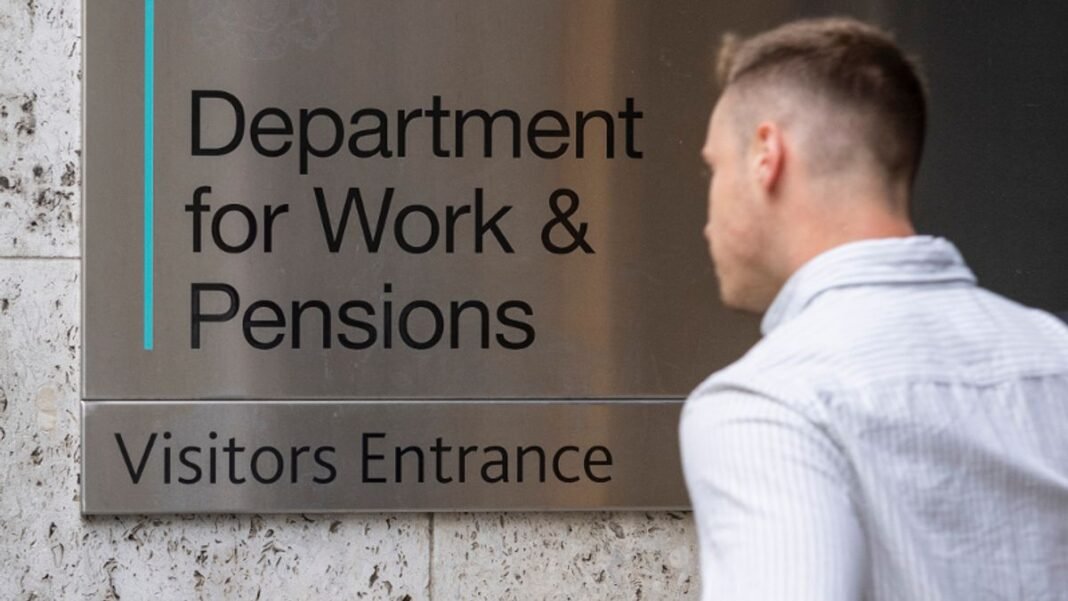
A man who was receiving benefits tragically passed away shortly after expressing suicidal thoughts to Government call-handlers when his Universal Credit payment was drastically reduced. Andrew Halliday, aged 41, had battled mental health issues for an extended period, leading him to quit his well-paying job in telecommunications. Despite actively seeking new employment opportunities before his death on January 6, 2025, he struggled with the significant decrease in his financial support, which plummeted to £37 for the month.
Medical professionals and Department for Work and Pensions (DWP) staff were informed by Halliday about his financial distress following the reduction in his January payment. An inquiry conducted during the inquest revealed that the DWP probed the circumstances surrounding Halliday’s death. The report presented by Julie Inkster highlighted that the deceased attributed his deteriorating mental health to the reduction in his Universal Credit benefits.
The investigation disclosed that the lowered payment was due to a back pay Halliday received from a previous employer in October 2024, which was considered in his January benefit assessment. Despite using the back pay to settle debts, the timing of the payment affected his subsequent benefits. Halliday’s family emphasized that he had only recently started claiming benefits after a prosperous career and that the sudden loss of financial support was devastating for him.
The family member stated that Halliday had previously earned a substantial income and had never relied on benefits until his mental health prompted him to take a break from work. Despite actively seeking new employment opportunities and complying with job search requirements, he felt overwhelmed by the financial strain caused by the benefit reduction. The family believed that this financial setback was a significant factor leading to his decision to end his life.
In the days leading up to his death, Halliday contacted the Universal Credit helpline expressing his dire financial situation and the lack of support available to him. The call handler promptly sought emergency assistance for Halliday. The coroner’s findings confirmed that Halliday’s death was a result of a deliberate overdose, emphasizing the mental health care he had received in the period leading to his passing.
A statement from the DWP spokesperson extended condolences to Halliday’s loved ones and clarified the process of benefit assessment and the earnings taper that impacts claimants’ payments based on their income. Overall, the tragic incident shed light on the challenges faced by individuals navigating the welfare system and the profound impact of financial struggles on mental health.