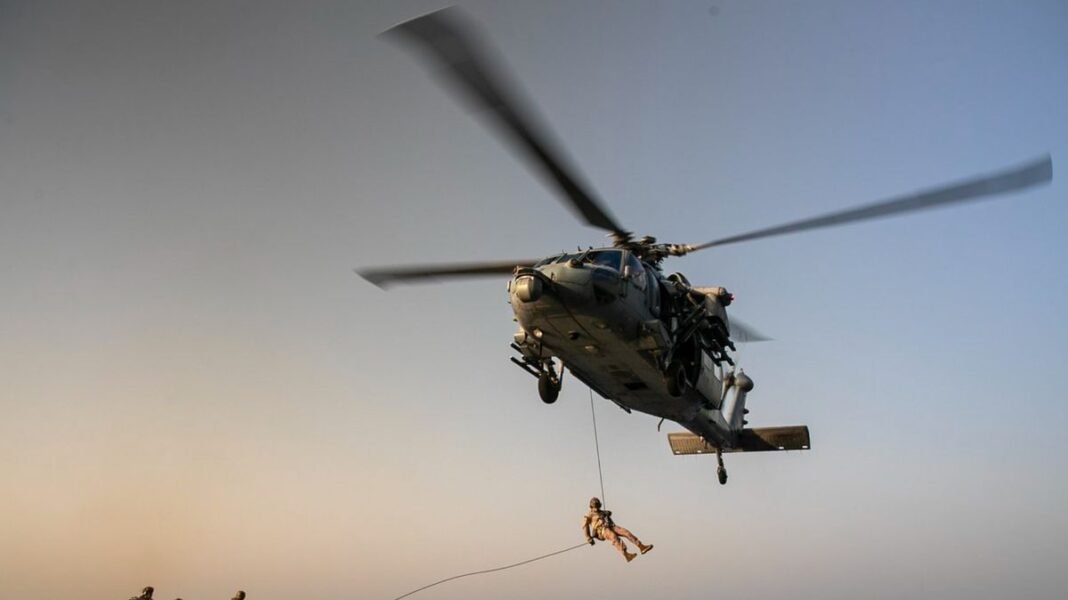
The fragile truce between Iran and the US, along with Israel, is at risk of collapsing as preparations for potential military strikes in Tehran intensify. President Donald Trump’s recent warning signals a growing impasse in peace negotiations. Reports indicate that the US military has been mobilizing for new military actions in the Middle East, evidenced by the arrival of military aircraft in Israel last week.
Despite these escalations, Iran maintains a significant military capability, surpassing previous estimates. Intelligence suggests that Iran may engage in covert operations, utilizing asymmetric warfare tactics to exert pressure without direct confrontation. This includes potential missile operations, maritime disruptions, drone campaigns, and proxy-enabled attacks.
The deadlock in negotiations centers on Iran’s reluctance to disassociate from Lebanese Hezbollah and its nuclear ambitions. President Trump’s ultimatum underscores the urgency for progress in the talks. Both sides have outlined demands, including the cessation of hostilities, the reopening of critical waterways, and compensation for damages.
While dialogue continues through intermediaries, failure to reach a compromise could stall the negotiations. Recent indications suggest a potential concession from the US, accepting a temporary suspension of Iran’s nuclear program. The conflict, which began with airstrikes in February, has escalated into a complex geopolitical standoff, impacting global oil prices and maritime trade routes.