A fresh independent video game development studio has emerged, leveraging the expertise gained from renowned gaming companies to pave new paths in a challenging industry. Studio Reset, situated in Edmonton, comprises a trio of individuals who previously collaborated at various firms, including Bioware, the creators of the beloved Mass Effect and Dragon Age franchises.
Kaelin Lavallee, the creative director, departed Bioware in 2015 and went on to collaborate with several other game enterprises before co-establishing Studio Reset with Kris Schoneberg and Francis Lacuna earlier this year. Lavallee expressed that his motivation was to delve into the creative and production aspects of game development.
Studio Reset mirrors a prevalent trend among recent independent Canadian game developers, as many have extensive backgrounds working at major studios. For instance, Ambrosia Sky by Toronto’s Soft Rains studio features veterans from Ubisoft and Bethesda, while the forthcoming game Reply All by Toronto’s Peculiar Path involves creators who contributed to titles like Assassin’s Creed and Red Dead Redemption.
Embarking on solo endeavors poses inherent risks in creative sectors, particularly in the saturated video game realm where thousands of new releases compete annually. Nonetheless, as large studios grow increasingly risk-averse in pursuit of blockbuster hits, independent developers find an avenue to showcase their innovative prowess.
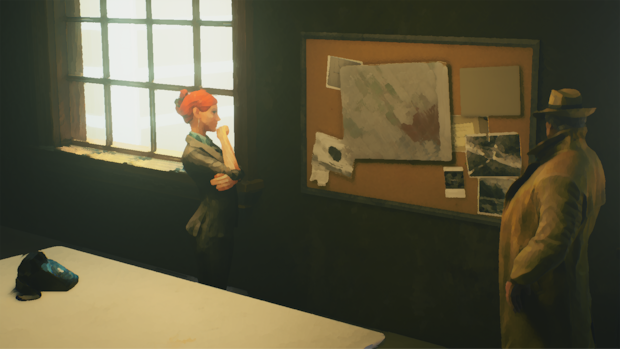
Studio Reset’s debut game, The Eventide, is slated to be a supernatural mystery set in a “neon-noir” Canadian backdrop, drawing inspiration from iconic TV series The X-Files and narrative-driven puzzle games like Case of the Golden Idol. Players will select a duo of investigators from a diverse cast to unravel a series of unsolved cases, with each investigator offering distinct interpretations, echoing the contrasting viewpoints of Mulder and Scully from The X-Files.
According to Paul Fogolin, president of the Entertainment Software Association of Canada, the industry boasts 821 game studios, with 729 having 50 or fewer employees. He emphasizes the symbiotic relationship between AAA and indie studios, noting that large firms offer talent, investment, and mentorship, while independent entities inject entrepreneurship and fresh ideas into the ecosystem.
For Philippe Morin, who co-founded Red Barrels after stints at Ubisoft and Electronic Arts, transitioning to indie development allowed him to re-engage with hands-on game creation. Red Barrels’ success story underscores the potential of indie ventures, as they garnered over 50 million players across three games and expanded from three co-founders to 80 employees.
However, the shifting landscape in the gaming industry has raised concerns, with significant job losses reported in recent years and industry giants like Electronic Arts facing restructuring post-acquisition. Lavallee acknowledges the uncertainties associated with launching a new project like The Eventide without the hefty marketing budgets of AAA corporations.
Support from entities like the Canada Media Fund has been instrumental in providing crucial early-stage funding to budding studios like Studio Reset. Lavallee underscores the value of such opportunities, recognizing that not all developers have access to similar resources.
The emergence of new indie studios, stemming from layoffs at established firms like Ubisoft, exemplifies the resilience and adaptability of developers in navigating industry challenges. Phantom Rowboat, founded by former Ubisoft employees, exemplifies the spirit of innovation and long-term sustainability within the indie gaming community.
In a landscape teeming with game developers worldwide, Studio Reset aims for modest success by catering to a niche audience with niche games. Their primary goal is to sustain their business by garnering enough support to continue creating unique gaming experiences for their dedicated followers.