Oil market experts are cautioning that a critical juncture is approaching in just four weeks, which could lead to a significant surge in prices. President Donald Trump has informed oil industry leaders that the blockade of the Strait of Hormuz may persist for an extended period, sparking concerns that global reserves could plummet to precarious levels.
Analysts are apprehensive that supplies of crude oil, gasoline, diesel, and jet fuel could dwindle to critical lows by the month’s end, triggering a rapid escalation in prices. Frederic Lasserre, the research head at Gunvor, a prominent oil trading firm, emphasized the urgency of the situation, warning that prolonged shortages could lead to widespread economic downturns, extending beyond fuel shortages to industrial shutdowns and potential recession.
According to Amrita Sen, the founder of Energy Aspects consultancy, if the conflict persists until the end of June, all reserves could be depleted, leaving no safety buffers in place. The current price of oil per barrel has already reached $126, with projections indicating a potential surge to $150-$200 if the situation continues to escalate.
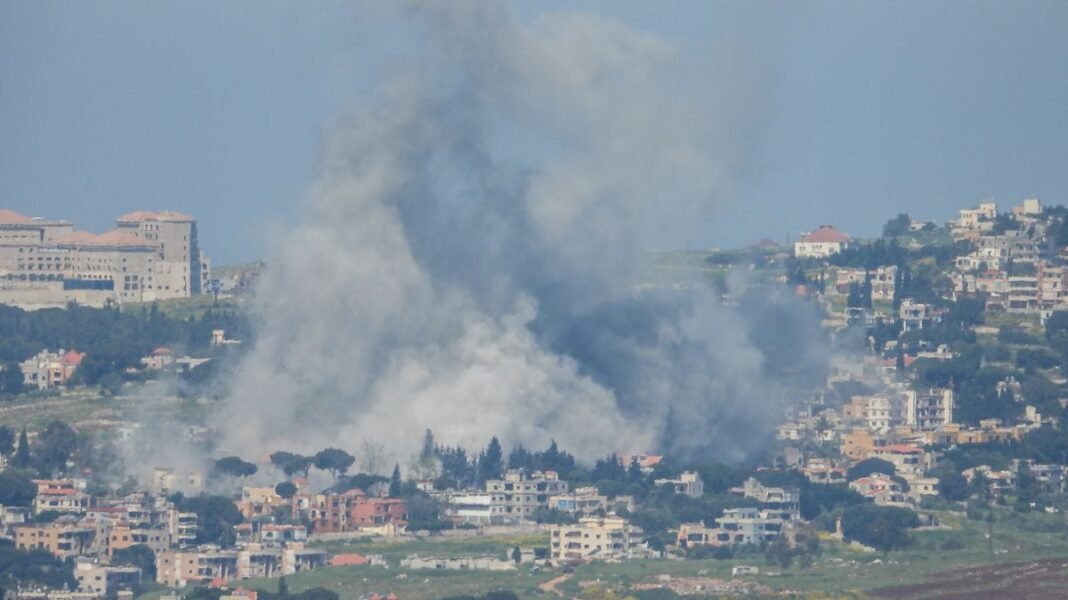
In parallel to these oil market concerns, ongoing hostilities between Israel and Hezbollah in southern Lebanon persist despite a ceasefire agreement. Recent airstrikes in the region have resulted in casualties, with Israeli military operations targeting Hezbollah infrastructure and members. The conflict has escalated with both sides maintaining aggressive stances, leading to further violence and destruction in the region.
Efforts for peace between Israel and Lebanon have seen a glimmer of hope with their first direct talks in over three decades. The historical enmity between the two nations, dating back to Israel’s establishment in 1948, has seen intermittent ceasefires, including the current one that began on April 17 and has been extended for an additional three weeks.