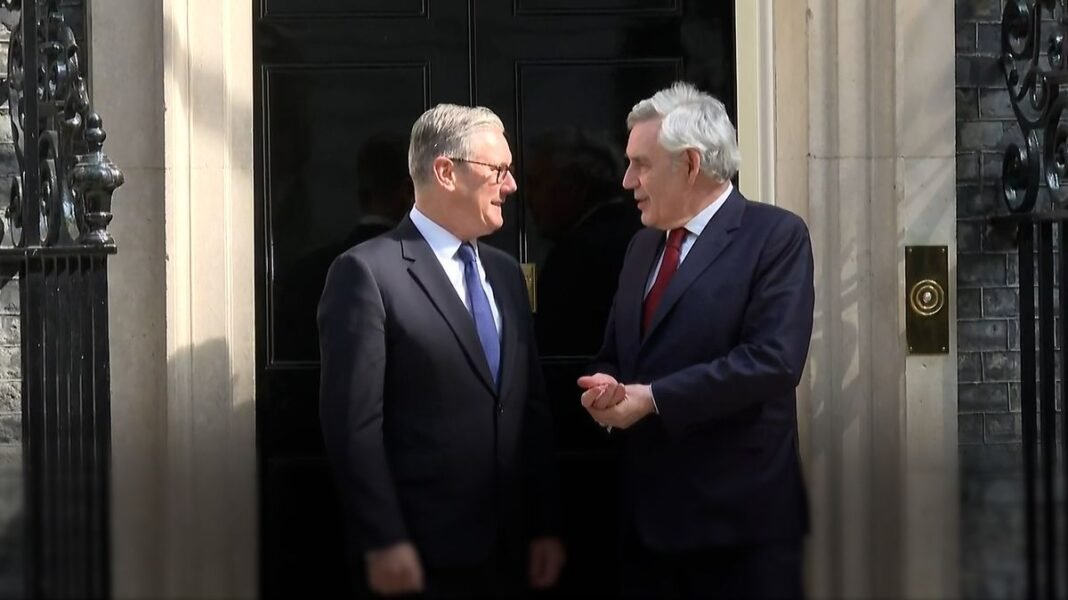
Labour leader Keir Starmer has declared his determination to remain in his position despite a challenging set of election outcomes for his party. He emphasized the need for a response and rebuilding efforts following the losses. As part of the party’s restructuring, former Prime Minister Gordon Brown has been appointed as a special envoy on global finance. Additionally, Harriet Harman, a prominent party figure, has been named as an advisor on women and girls.
The election results saw Labour facing significant setbacks across England, with Nigel Farage’s Reform UK gaining over 1,400 councillors. Meanwhile, Farage has defended a substantial financial gift he received, attributing it to personal security expenses. Despite calls for leadership changes within Labour, Starmer has reiterated his commitment to leading the party and offering a sense of hope and direction for the future.
The aftermath of the elections has stirred conversations about potential leadership transitions within the party. Various MPs have expressed differing opinions on the current leadership situation, with some advocating for a change in leadership to enhance Labour’s prospects. The party’s performance in the elections, including losing control in several key areas, has prompted discussions on the need for strategic adjustments and a renewed focus on key issues facing the country.
In Wales, Plaid Cymru has emerged as a significant player, signaling a potential shift in the political landscape. The party’s leader, Rhun ap Iorwerth, has expressed readiness to form the next government, highlighting the importance of unity and cooperation in delivering on key policy objectives. The evolving political dynamics, especially in the wake of the elections, underscore the need for parties to navigate challenges and forge alliances to address critical issues and serve the interests of the public effectively.