Exceptional travel experiences have a profound impact, sparking curiosity, offering new perspectives, and fostering meaningful connections with places and people. These transformative encounters can linger long after returning home and unpacking.
Indigenous-owned retreats throughout Canada prioritize creating connections with the land and the communities that have ancestral ties to it. Their business models aim to benefit both visitors and Indigenous groups, including First Nations, Métis, and Inuit communities.
Jason Johnston, the Ontario director for the Indigenous Tourism Association of Canada, notes the growing interest in experiencing Indigenous history. He emphasizes the importance of understanding that true authenticity lies in learning about the culture directly from those who live it, rather than through stereotypical interpretations often presented by non-Indigenous tour operators.
Ashley Smith, owner-operator of Turtle Village in Manitoba, echoes this sentiment, emphasizing the need for Indigenous people to tell their own stories and showcase their culture authentically.
Keith Henry, president and CEO of the Indigenous Tourism Association of Canada, underscores the pivotal role of Indigenous experiences in Canada’s tourism landscape. He emphasizes the significance of presenting Canada truthfully, sharing the genuine history and narratives of the land.
Immerse yourself in these compelling stories and embark on a truly transformative journey by booking a stay at an Indigenous-owned retreat. While each location offers unique experiences, landscapes, and traditions, the common thread is the warm hospitality extended to all visitors. “Welcoming visitors to Turtle Island is not new,” Henry, who is Métis, affirms.
“People tend to overlook the fact that nations have traded and formed business relationships for millennia. There has always been a spirit of welcome because Indigenous peoples understand the mutual need for one another,” he adds.
Turtle Village
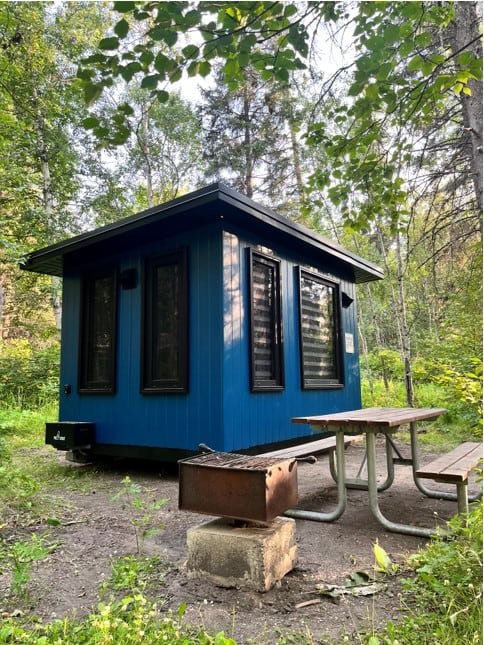
Turtle Village, nestled within Treaty 2 territory in Manitoba’s Riding Mountain National Park, offers luxury camping in eco-friendly tiny homes. These “Turtle Shell” cabins, powered by solar energy, provide a cozy and minimalist retreat to connect with nature throughout the year. Each cabin features a queen bed and a private firepit.
Owner Ashley Smith, a member of Gambler First Nation, collaborates with the local community to offer visitors a range of activities, including beading workshops, storytelling sessions, and ice-fishing adventures.
Smith believes that this type of experiential hospitality was lacking in Canada’s tourism offerings. She aims to showcase the Indigenous way of life, emphasizing the role of Indigenous peoples as natural guardians of the land, promoting a modern lifestyle that minimally impacts the environment.
Métis Crossing
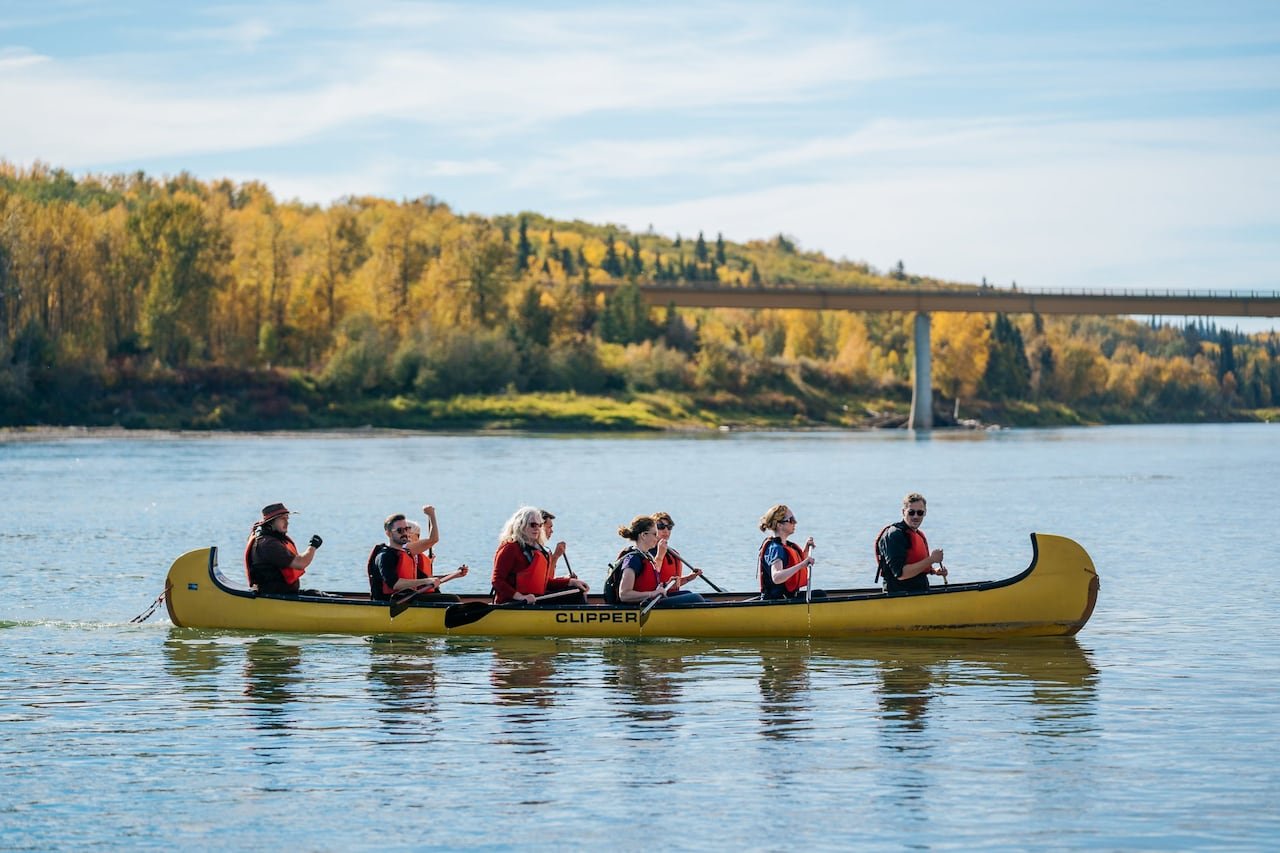
Métis Crossing, Alberta’s premier Métis cultural interpretive destination, spans over 200 hectares along the North Saskatchewan River, historically settled by Métis families. The property, owned by the Métis