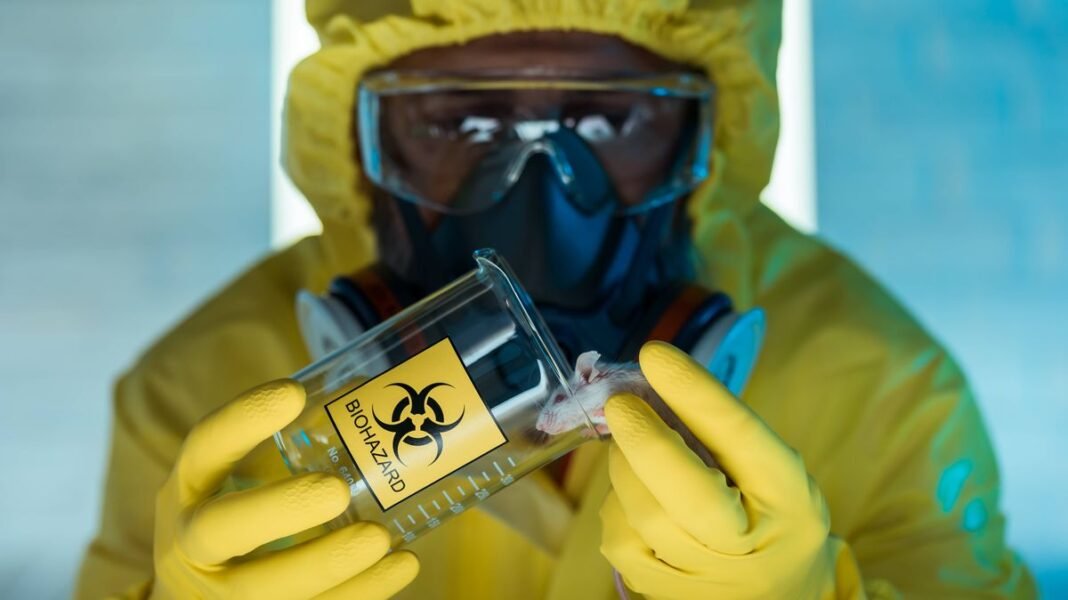
Three individuals have tragically lost their lives on a cruise ship following the confirmation of a hantavirus case onboard. The incident took place on the MV Hondius vessel during its voyage from Argentina to Cape Verde, as reported by the World Health Organization. Hantavirus, typically transmitted through exposure to infected rodents’ urine or feces, can lead to severe respiratory illness and, in rare instances, spread among humans.
Hantaviruses, carried by rodents, can cause varying degrees of sickness in humans. Each type of hantavirus is associated with a specific rodent host. People can contract the virus by inhaling contaminated rodent urine, droppings, or saliva. Hantavirus Pulmonary Syndrome (HPS) can be contracted through contact with rat and mouse excrement, urine, or saliva. It is crucial to wash hands thoroughly after handling rodents or their habitats and avoid wild mice and rats and places they may have inhabited.
The initial symptoms of HPS, which can be mistaken for the flu, include fever, chills, muscle aches, severe headaches, nausea, stomach issues, and a dry cough. Breathing difficulties may develop suddenly. Dr. Jamie Winn, PharmD from Universal Drugstore, emphasized the challenge of diagnosing HPS early due to flu-like symptoms and the absence of specific diagnostic tests. Seeking medical attention promptly is advised for symptoms like fever, body aches, abdominal pain, diarrhea, headaches, dry cough, or breathing problems, especially in regions with large rodent populations.
Although there are no targeted treatments for HPS, early detection and care in an intensive care unit (ICU) setting can enhance patient recovery prospects. Standard ICU care involves intubation, oxygen therapy, fluid replacement, and blood pressure management. In severe cases, antiviral medications like ribavirin may be used, although their effectiveness is still under investigation. Patients often experience persistent weakness, fatigue, and reduced physical activity tolerance during the recovery process.