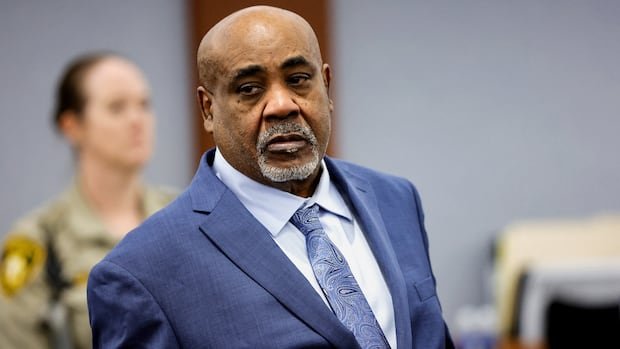
A prosecutor informed jurors during the commencement of a murder trial in Clark County, Nevada, that a former street gang leader masterminded the drive-by shooting of renowned hip-hop artist Tupac Shakur in Las Vegas back in 1996 as payback for his nephew’s assault. Duane (Keffe D) Davis, aged 63, faces a single count of murder with a deadly weapon and has entered a plea of not guilty. Allegedly, Davis orchestrated the attack on Shakur, a prominent figure in the rap industry, near the Las Vegas Strip.
According to the prosecutor, Binu Palal, Davis ensured that the gunmen were prepared to carry out the plan of retribution when the opportunity arose. Recent public statements made by Davis himself have brought attention back to the long-dormant case. In response, defense attorney Michael Sanft argued that after three decades, there is minimal concrete evidence to support the case against Davis. Sanft dismissed Davis’s past claims as unreliable and lacking verification.
The unfortunate demise of Tupac Shakur further perpetuated the association of violence with hip-hop culture, particularly during the peak of “gangsta” rap, fueling the East Coast-West Coast rap rivalry of that era. Davis, described by authorities as the orchestrator of the attack, allegedly sought vengeance following an altercation between Shakur and his entourage against his nephew at the MGM Grand casino in Las Vegas on the night of September 7, 1996.
Despite the case going cold for many years, Davis’s public statements in 2018 reignited the investigation, leading to his arrest in 2023. Davis disclosed in interviews and his 2019 memoir, “Compton Street Legend,” that he played a role in the shooting incident. Despite admitting his involvement, it remains unclear who fired the fatal shots at Shakur. The trial is anticipated to last up to six weeks and may include testimony from Marion (Suge) Knight, the co-founder of Death Row Records and a key witness to the shooting.
In conclusion, the murder trial linked to the death of Tupac Shakur continues to unravel the intricate web of events that transpired over two decades ago, shedding light on a pivotal moment in rap history.