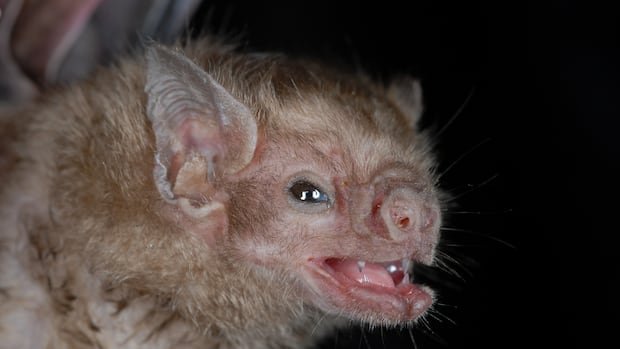
A recent comprehensive study of genomes from all 21 modern bat families, along with the examination of numerous fossil bats, has put an end to the long-standing debate on the origin of bats and shed light on the characteristics of early bats.
According to a new study published in the journal Nature, the earliest bats likely originated in Europe approximately 65 million years ago, debunking previous theories suggesting they could have come from Asia, Africa, or North America due to limited fossil evidence.
Sonja Vernes, the senior author of the study and director of the Bat1K consortium, explained that bats, being flying creatures, have been migrating across the globe for millions of years, contributing to their widespread distribution.
Insights into Early Bats
Through the sequencing of genomes from 103 bat species and an in-depth analysis of their traits and genes, researchers discovered that ancient bats had 26 chromosomes and first emerged around 65 million years ago, following the extinction of dinosaurs.
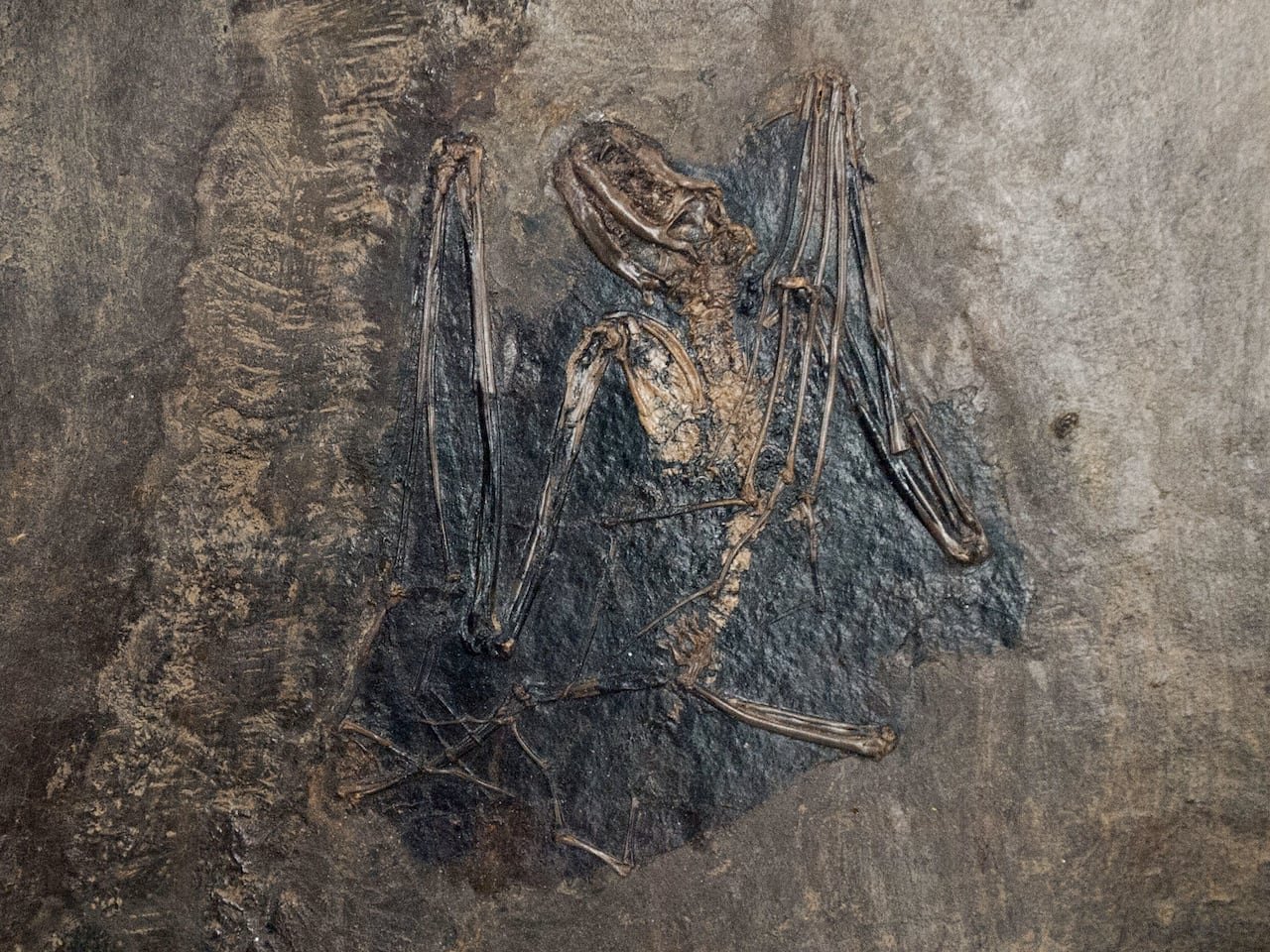
The study revealed that bats evolved flight and echolocation early on, with fossils like Palaeochiropteryx tupaidon from Germany indicating this adaptation dating back to around 47 to 48 million years ago.
Today, the world is home to approximately 1,500 bat species, accounting for a significant portion of mammalian diversity, and the study’s family tree elucidates the relationships among the 21 bat families.
Prolonged Lifespan Mystery
With the global availability of the study’s data, researchers anticipate uncovering valuable insights from bat genomes that could have implications for human health in the future.
Bats have intrigued scientists with their exceptional longevity compared to other similarly sized animals and their resilience to viral infections, prompting investigations into their genetic makeup to unveil these mysteries.
Sonja Vernes expressed optimism about the potential of bat-inspired healthcare treatments, albeit acknowledging that practical applications may take time to materialize.
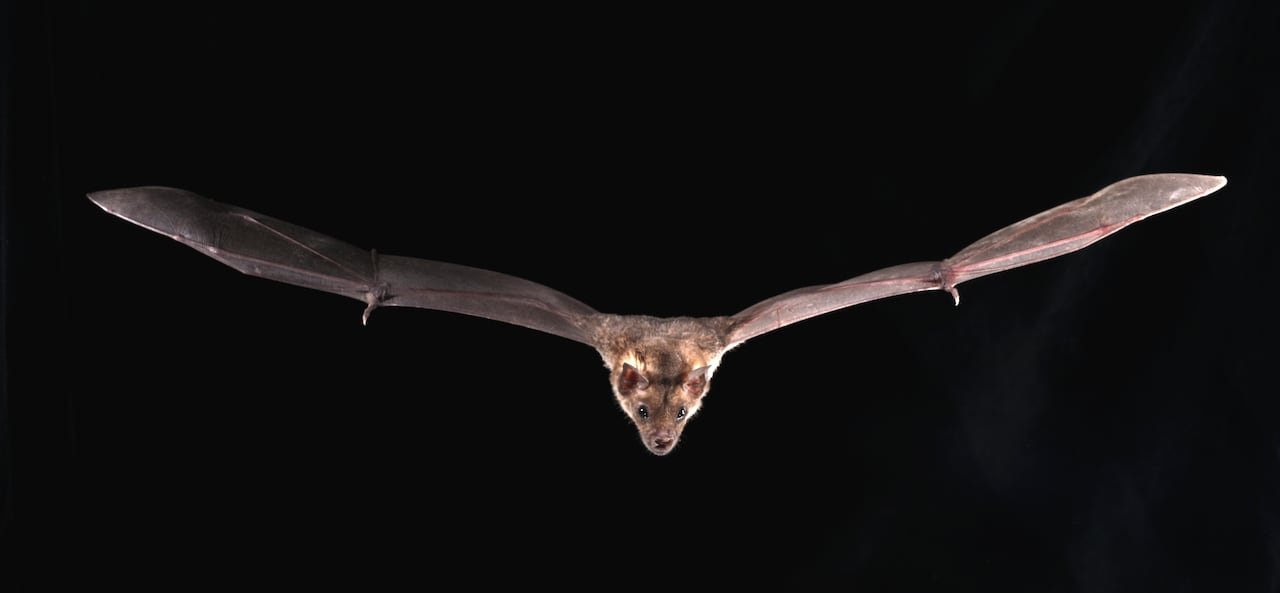
A researcher studies a pale spear-nosed bat in Sonja Vernes’ lab at the University of St. Andrews, focusing on bat vocal communication research.
Vernes highlighted her personal fascination with bats due to their unique vocal learning behavior, likening it to human language acquisition, as her research delves into how bats communicate vocally.
The collaborative effort involved over 600 researchers worldwide, including co-authors from various countries, such as Burton Lim from the Royal Ontario Museum, who contributed a significant portion of bat samples for genome analysis.
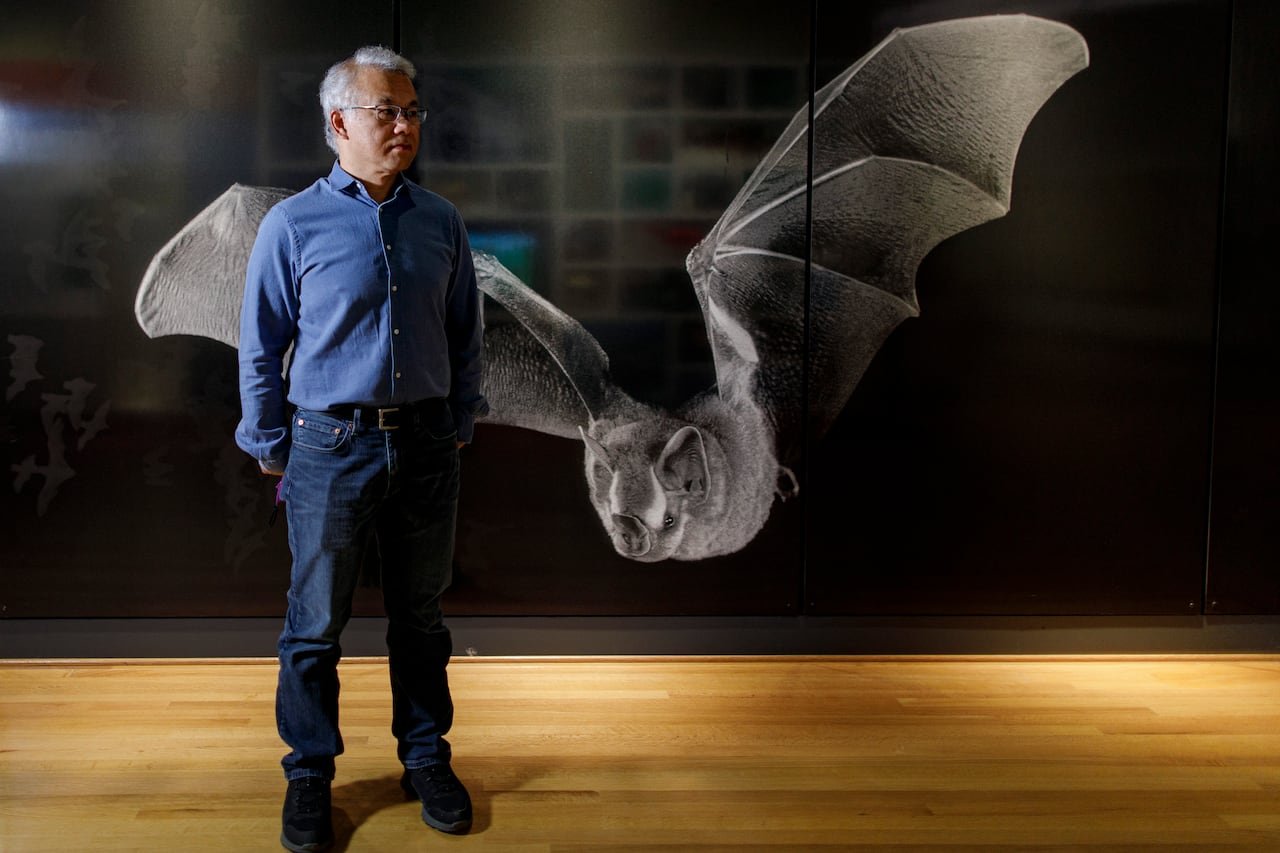
Burton Lim, an expert on bats and mammals, at the Royal Ontario Museum, provided samples for genome testing in the study, contributing to the global research effort.</p