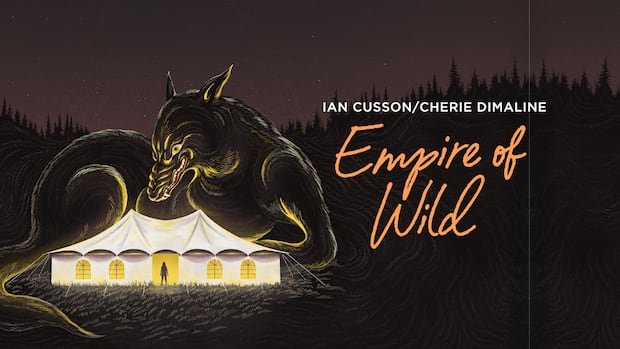
In Cherie Dimaline’s novel “Empire of Wild,” a trio of women spanning three generations grapple with freeing a loved one from the clutches of a werewolf-like entity known as Rogarou. Their mission involves locating a missing husband and safeguarding their territory from corporate encroachment.
The narrative’s raw, alluring, and intense nature propelled it to claim the top spot on Indigo’s 2019 best book list, surpassing renowned titles such as Margaret Atwood’s “The Testaments” and Taylor Jenkins Reid’s “Daisy Jones & The Six.” With a substantial investment of around $4 million, an Indigenous-led creative team is set to adapt the book into an opera, scheduling its world premiere in Toronto next spring.
This bold venture aims to attract a younger demographic and opera novices while potentially challenging traditionalists devoted to the conventional opera repertoire. “Empire of Wild” unfolds in the Georgian Bay Métis community of Penetanguishene, Ontario, where author Cherie Dimaline hails from. Composer Ian Cusson, also rooted in the same locale, identified elements from the book that resonated with the folklore his mother recounted.
They aspire to introduce contemporary characters that modern audiences can relate to, including queer individuals and a blue-collar family navigating extraordinary circumstances. The production, described as a “film on steroids,” incorporates edgy, horror-infused elements, diverging from conventional operatic norms.
Elisabeth St-Gelais, an Innu soprano portraying the lead role of Joan, finds the story’s relatability appealing to younger audiences. “Empire of Wild” delves into themes of power, resistance, and resilience, revolving around Joan’s quest to reunite with her husband amidst mysterious forces at play.
The narrative draws inspiration from Métis folklore while showcasing a diverse cast, including talents like Marion Newman and Evan Korbut. Cusson emphasizes the significance of intergenerational support along strong matrilineal lines, highlighting themes of survivance and resilience.
The collaboration of Indigenous creators in this opera represents a pivotal moment for Indigenous representation across various societal realms. The creative team’s inclusive approach fosters a sense of equality and value for each contributor, exemplifying a new paradigm in artistic creation.
This innovative method of opera production, championed by Cusson, aims to set a precedent for future endeavors within the genre, promoting a more inclusive and collaborative approach to art creation.