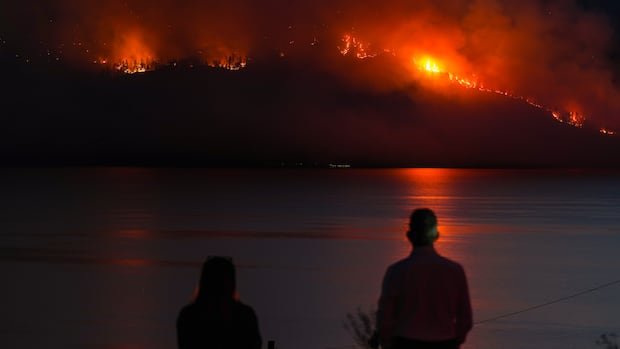
In what’s being dubbed as a powerful resurgence of the El Niño phenomenon, the warming of the Pacific Ocean is causing significant disruptions to global weather patterns. This event comes at a time when various regions worldwide are already experiencing extreme heat levels. North America and Europe just witnessed their hottest July on record, leading to numerous heat-related fatalities, dried-up waterways, and widespread wildfires.
Despite the coinciding occurrence of El Niño and the scorching summer conditions, climate scientists clarify that El Niño is not directly responsible for these extreme weather events. However, they warn that the convergence of this natural phenomenon with man-made climate change could intensify extreme weather conditions.
Josh Willis, a climate scientist at NASA’s Jet Propulsion Laboratory, predicts widespread and substantial impacts from the current El Niño event. He emphasizes the need to brace for significant weather changes in the coming months.
El Niños typically occur every few years, with this current event expected to last from spring into the following year as surface water temperatures in the Pacific rise significantly. This warming alters atmospheric conditions, leading to contrasting weather patterns such as increased rainfall in arid regions and drought in typically wet areas.
Muhammad Azhar Ehsan, a scientist at Columbia University, notes the unprecedented nature of the current El Niño, hinting at its potential contribution to the ongoing heatwaves and wildfires. The intensity of this El Niño is on par with previous strong occurrences in 2015-16 and 1997-98.
Climate models suggest that regions like Canada and the northern U.S. may experience a warmer winter due to El Niño, with British Columbia likely facing reduced precipitation. Conversely, the southern U.S. could anticipate a wetter winter season.
Effects of El Niño are already visible in tropical regions, with Peru and Ecuador facing heavy rainfall and potential flooding. Additionally, Indonesia is grappling with an extended wildfire season exacerbated by the phenomenon.
In North America, changes in the hurricane season are observed, with fewer storms in the Atlantic and heightened storm activity in the Eastern Pacific. This shift is attributed to altered jet stream patterns.
The current El Niño event is occurring in a world already impacted by human-induced climate change, leading to escalated temperatures and natural disasters. Climate scientists warn of continued effects from this El Niño well into the following year, underscoring the need for ongoing monitoring and research to mitigate its impacts.