Five years ago, Abdul Razaq Khan, a former interpreter and facilitator for Canadian media during the Afghan conflict, received a late-night message from a journalist he had guided in Kandahar. Trying to rest in Kabul after the Canadian withdrawal, Khan, now working at USAID, faced the Taliban’s advance on Kabul in the summer of 2021.
Responding to the journalist’s concern, Khan expressed his distress over the situation. Having resettled in Canada, Khan reflects on the loss of his job, home, and country, grappling with the events leading to the swift fall of the western-supported government.
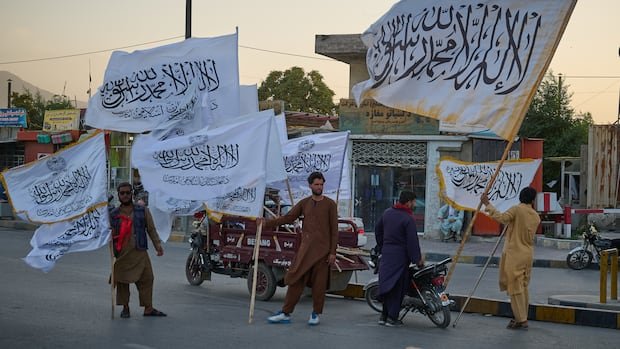
Having escaped on foot just before the Taliban’s capture of Kabul, Khan, like many Afghan associates of western journalists and organizations, faced danger due to his work with Canadian media. The Taliban’s resurgence not only displaced numerous Afghans but also ushered in a strict, authoritative regime erasing women from public life, censoring media, and enforcing stringent moral codes.
Women, a key focus of western policies during the conflict, have endured severe hardships. The Zan Times, an Afghan women’s rights group, documented a surge in violence against women under Taliban rule, revealing a lack of justice and impunity for perpetrators. Many cases of violence against women are disguised as suicides, shielding the culprits from accountability.
While some countries initiated humanitarian visa programs to evacuate high-risk Afghan women, efforts fell short. Allied nations struggled with evacuation and resettlement operations, with uncertainties about the total number of Afghans employed by NATO, governments, or aid agencies. Canada alone resettled 63,000 Afghans post-Taliban takeover, but thousands remain vulnerable under Taliban control.
Former Canadian combat commander Denis Thompson emphasized the need to reopen programs to assist vulnerable Afghans still in harm’s way. U.S. Senator Chris Coons underscored the importance of fulfilling promises to those who supported American and NATO forces during the conflict.