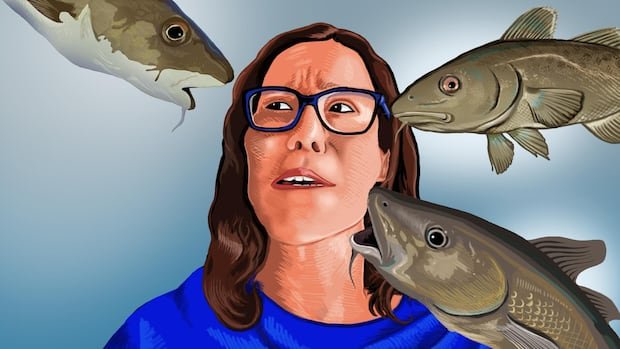
Lindsey Harrington, a resident of Nova Scotia with familial ties to Newfoundland, shares her experience in a cozy bar in St. John’s. A humorous incident unfolds as her boyfriend, Dan, embraces the local tradition of kissing a frozen fish, symbolizing an honorary induction into Newfoundland culture. Despite Lindsey’s fish allergy, the jovial atmosphere and sense of community during the ceremony are heartwarming.
Reflecting on her upbringing and the cultural significance of fish in Newfoundland’s history, Lindsey contemplates the irony of her allergy preventing her from fully participating in the island’s culinary traditions. The legacy of fishing in Newfoundland runs deep, shaping the identity of its people for generations.
Throughout her life, Lindsey has navigated the challenges of her allergy, missing out on cherished Newfoundland delicacies like fish and brewis. Despite her inability to consume seafood, her connection to the maritime lifestyle remains strong, rooted in memories of trouting with her father on the Burin Peninsula.
Transitioning to Nova Scotia, where seafood plays a significant role in the cuisine but without the same cultural weight as in Newfoundland, Lindsey finds a sense of relief in discussing her allergy. As she walks through the colorful streets of St. John’s, she muses on the contrasts between her new home and the rugged beauty of Newfoundland.
In a lighthearted exchange with Dan, a proud “bluenoser” from Nova Scotia, Lindsey embraces her dual identity as both a Newfoundlander and a bluenoser. The term “deadly,” synonymous with excellence in Newfoundland parlance, carries a bittersweet connotation for Lindsey, encapsulating her complex relationship with the island’s seafood-centric culture.
As Lindsey grapples with the intersection of her allergy and her Newfoundland heritage, her story highlights the enduring bonds between identity, tradition, and personal limitations in the rich tapestry of Atlantic Canadian life.