As the school term winds down towards summer break, parents are gearing up for the added expenses that accompany six weeks of keeping kids entertained. Activities like movie trips, outings, snacks, and shopping can quickly escalate costs for families, making it essential to find ways to economize.
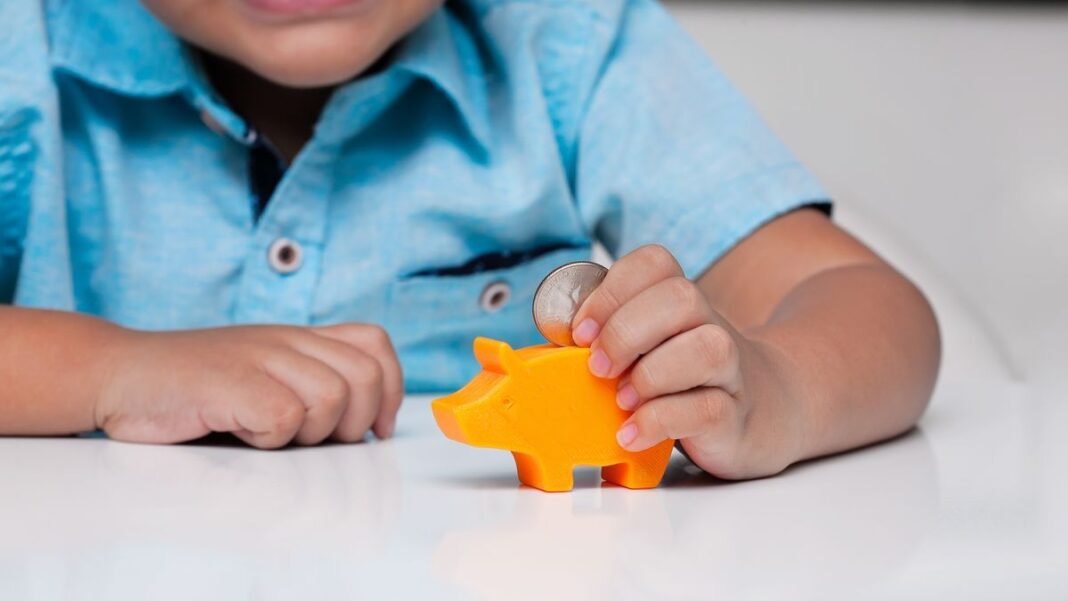
Recent data reveals that British children are currently receiving an average weekly pocket money of nearly £10. Analysis conducted by children’s financial app GoHenry indicates that kids aged seven to 18 are pocketing around £9.90 per week, based on data from over 600,000 youngsters nationwide.
Notably, the amount of pocket money varies across regions, with children in the South East receiving the highest average weekly payment of £12.88, while those in the East of England receive the lowest at £8.57. Despite ongoing financial pressures, pocket money payments have seen a slight uptick, rising by 1.2% compared to the same period last year.
The data also suggests that many children are cultivating strong saving habits, setting aside an average of £3.93 per week. GoHenry’s founder, Louise Hill, highlighted that children are consistently saving money even amidst the increasing cost of living.
With the imminent summer holidays, parents are deliberating whether to provide kids with extra spending money as they engage in more activities outside the house. While some view pocket money as a valuable tool for teaching budgeting skills and financial decision-making, others argue that children should earn extra cash through chores. Amidst rising expenses and financial strains, some believe that children already receive sufficient funds and should learn to manage their allowances prudently.
As families plan their summer expenditures, discussions about children’s spending habits are gaining traction. The ongoing debate questions whether children should receive additional funds during holidays or if mastering weekly allowances is a crucial part of their development.