The recent exposure of racist remarks made by Reform candidates by The Mirror is crucial. It raises questions about the recurring presence of racists within Farage’s party, particularly evident in South Yorkshire. Last year, a newly elected Reform councilor in Doncaster glorified Hitler as a “legend.”
This year, a Reform candidate in Sheffield lauded the Nazis as “visionaries” and blamed Jewish people in the West for antisemitism due to their support for open borders. Despite denying any Nazi sympathies, the candidate’s statements raise concerns.
Apart from extremist views, some Reform councilors in Doncaster have poor attendance records at meetings, attending only a quarter of them. In Sheffield, they have skipped all hustings across the city, indicating a lack of community engagement.
In challenging times, it is crucial to have active and visible local leaders. Economic hardships, such as the declining living standards for Brits born in the 1980s, exemplify the need for effective governance. Areas like Shiregreen in North Sheffield, once thriving with over 10 pubs, now have only one due to austerity measures.
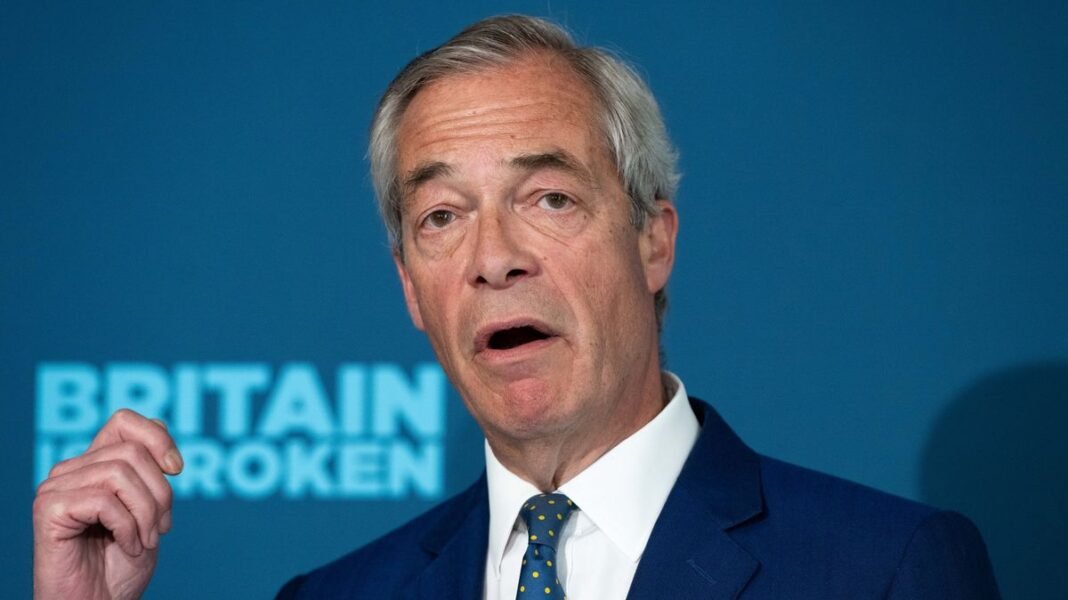
Farage’s assertion that Britain is broken contrasts with the real issue, which lies within the Reform party. As the election approaches, voters must consider if their Reform candidate distances themselves from racist colleagues, remains committed post-election, and upholds their councilor role.
The high turnover rate within Reform, with numerous councilors and MPs facing expulsion or resignation, underscores the party’s internal challenges. The fight against Reform symbolizes a critical political struggle for communities and the country, emphasizing the importance of voting for constructive change over divisive narratives.
David Blunkett, former Cabinet Member and MP for Sheffield Brightside, and Mark Rusling, a Sheffield councilor collaborating with Hope Not Hate against far-right ideologies, advocate for rejecting hate and embracing hope in the upcoming election.