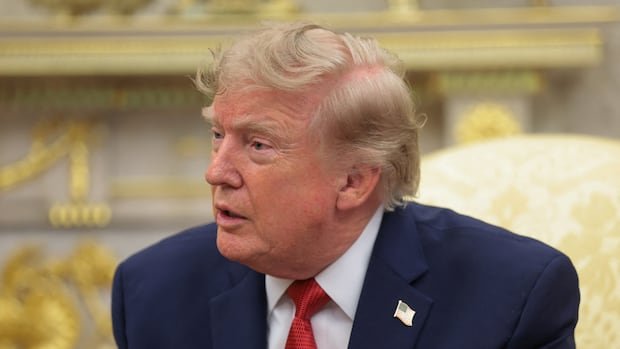
U.S. President Donald Trump made a last-minute announcement on Tuesday, revealing a temporary halt to the planned 50% tariffs on various Canadian goods for three days, just a couple of hours before the tariffs were supposed to be enforced. In an initial social media post, Trump mentioned the postponement was due to an apparent deal between Canada and the U.S., pending final documentation.
A subsequent statement from the White House justified the suspension as being in the public interest, citing Canada’s commitment to addressing trade issues raised by the Trump administration. Canadian Prime Minister Mark Carney, in a separate statement, referred to the decision as a delay to allow ongoing trade discussions to progress further, emphasizing the need for continued efforts to strengthen Canada’s economy.
Originally set to go into effect early Wednesday morning, the tariffs would have impacted a wide range of products valued at over $28 billion, including items like plywood, cement, wine, and hockey equipment. This temporary reprieve offers a brief respite for companies on both sides of the border, alleviating concerns about potential business disruptions and increased costs for consumers.
While negotiations continue, the fate of long-term tariff avoidance remains uncertain. Trump did not confirm whether a finalized deal would lead to a permanent cancellation of the tariffs. Talks between Canadian and American trade representatives have been intense and delicate, with ongoing efforts to address key issues such as tariffs on Canadian automobiles.
The U.S. administration has been adamant about the need for market access and economic security commitments from Canada. Trump’s mention of a possible revival of the Keystone XL pipeline project, previously canceled by the Biden administration, hints at potential future developments in the trade relationship between the two countries.
Both sides have been grappling with complex negotiations, including discussions on liquor trade, automotive tariffs, and dairy sector regulations. The deadline for reaching a resolution has been extended, allowing for further dialogue and potential compromises on contentious issues. The uncertainty surrounding the tariff situation has prompted concerns about its impact on the stability of the Canadian economy.
In the midst of these negotiations, Canadian officials are navigating various options to respond to the evolving trade landscape, including potential retaliatory measures if necessary. The focus remains on securing beneficial terms for Canada while addressing American demands in a mutually beneficial manner. The upcoming days will be crucial in determining the outcome of these high-stakes trade discussions.