England suffered a devastating defeat against Iceland in the Euros a decade ago, a loss that left them reeling from the embarrassment. The aftermath saw Roy Hodgson, the beleaguered manager, expressing confusion at his presence in a press conference forced upon him by the FA, with his opening statement becoming the headline: “I don’t really know what I’m doing here.”
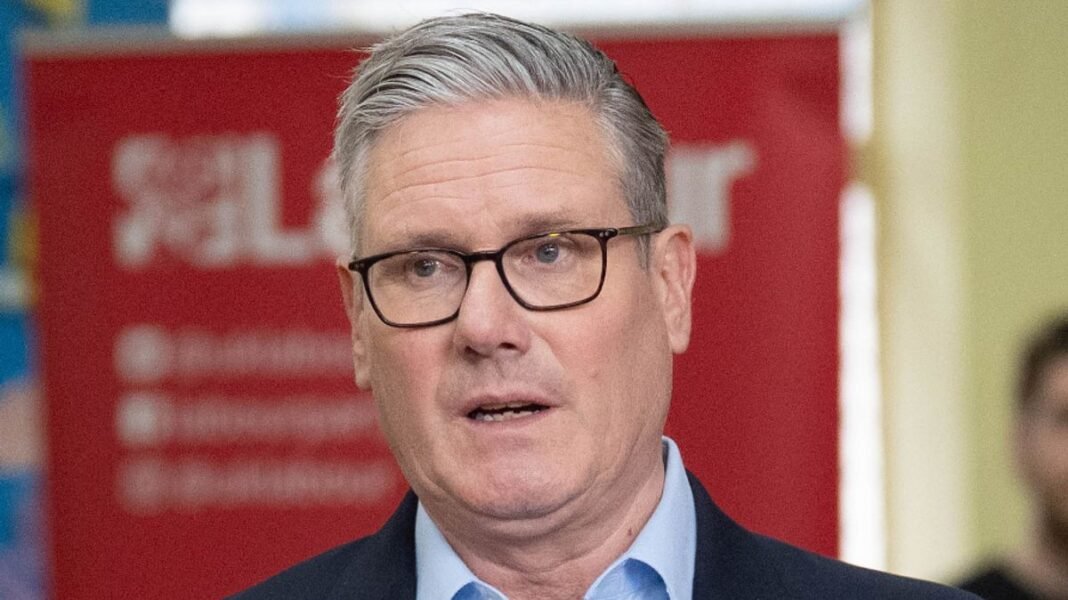
Following one of the darkest nights in Labour’s history, Keir Starmer faced the fallout from the disastrous local election results. The resounding message from the public and even within his own party is that confidence in his leadership is severely lacking, leading to concerns about his presence on the campaign trail potentially alienating more voters.
Starmer’s supporters are now presenting two narratives: one acknowledging his unpopularity but asserting his longevity, and the other warning against a leadership change to avoid emulating the Tories’ mistakes. However, these arguments seem inadequate in light of the current circumstances.
Despite some positive actions taken by his government, such as the ban on no-fault evictions and removal of the two-child benefit cap against Starmer’s initial stance, the messaging appears to be failing to resonate with the public. The series of policy reversals, missteps, and questionable decisions have led to a widespread perception of Starmer as insincere and disconnected, resulting in a loss of public interest.
The rise of Reform and the Greens, spearheaded by charismatic figures that appeal to many traditional Labour supporters, poses a significant threat. Loyalty to Starmer, while commendable, may not be sufficient to salvage the situation, as his approval ratings continue to decline, painting a grim outlook for the government’s future.
The recent election debacle underscores the urgent need for a relatable leader capable of revitalizing the party base and offering a compelling vision for the country. While the next General Election is still years away, the absence of a viable replacement for Starmer raises concerns about Labour’s survival, with internal discussions hinting at a looming crisis.
Starmer, who once promised a shift towards “grown-up politics” and transformative change, now faces the opportunity to honor those commitments by establishing a transition plan with the Cabinet to pass the torch to a more promising successor. Ideally, this individual should come from outside the political elite of London, embody strong convictions, possess the necessary experience, and connect with the common people.
For this committed Labour supporter, Andy Burnham fits the bill. In the months ahead, he should be allowed to run for a parliamentary seat and, if successful, rally the party behind him as the candidate capable of challenging formidable opponents. The parallels to Hodgson’s resignation a decade ago serve as a poignant reminder that leadership changes, when inevitable, should be embraced decisively. The ball is in your court, Keir.