The Quebec government is set to implement fresh strategies to prevent contraband from infiltrating its correctional facilities. As part of this initiative, a 12-month trial program will be launched at the Roberval Detention Centre, located 350 kilometers northeast of Montreal, starting in September. Inmates at this facility will be mandated to wear uniforms during this trial period.
The decision to require uniforms aims to streamline the search process, differentiate inmates from staff and visitors, and eliminate any indications of affiliation with criminal groups, ultimately reducing the potential for violence within the facility. Currently, detainees in Quebec’s correctional centers are allowed to wear their own clothing. Isabelle Mailloux, the director of the Réseau correctionnel de Montréal, highlighted concerns regarding inmates exploiting their personal attire to smuggle illicit substances like drugs into the facilities.
Drug concealment methods commonly involve hiding substances within clothing seams or shoes, with some cases presenting more intricate techniques such as soaking clothes in illegal substances to bypass detection. This uniform pilot project forms part of broader security enhancements in Quebec’s detention centers, backed by a $35 million government investment in 2023 to bolster security measures.
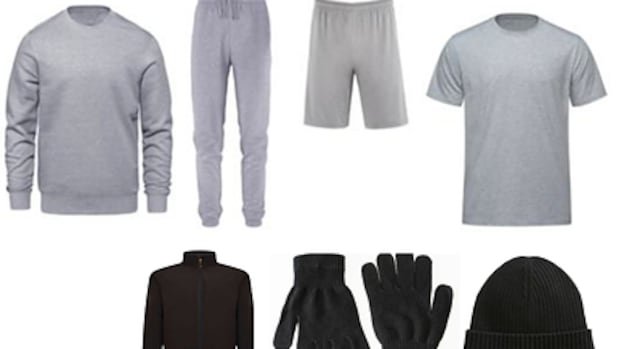
The prescribed uniform will comprise basic and comfortable attire, including cotton-polyester T-shirts, long-sleeved sweatshirts, sweatpants, shorts, shoes, socks, and undergarments. The selection of the Roberval facility for the trial is supported by its existing sewing workshop, enabling inmates to craft their own pants as part of the program. Quebec’s Domestic Security Minister Ian Lafrenière emphasized the initiative’s goal of fostering social reintegration through employment.
Additionally, the government plans to introduce stricter disciplinary regulations, effective September 28. These amendments to the Règlement d’application de la Loi sur le système correctionnel du Québec will empower detention center staff to report misconduct in a broader range of scenarios, such as the smuggling of prohibited items, including those delivered by drones. Mailloux underscored the persistent challenge posed by drones, labeling them as a significant issue that authorities have been combatting for several years.
Data from Quebec’s correctional services network revealed a substantial number of drone sightings at detention facilities, with 1,521 incidents recorded between April 2025 and March 2026, and 234 sightings in the following months up to June. The evolving technological landscape necessitates continuous adaptation to counter the innovative tactics employed by incarcerated individuals. The proposed disciplinary changes will enable committees to mete out harsher penalties for serious transgressions like cellphone smuggling or infrastructure damage, with a focus on considering the inmates’ well-being. The government intends to evaluate the outcomes of the pilot project before deciding on the broader implementation of inmate uniforms across Quebec.