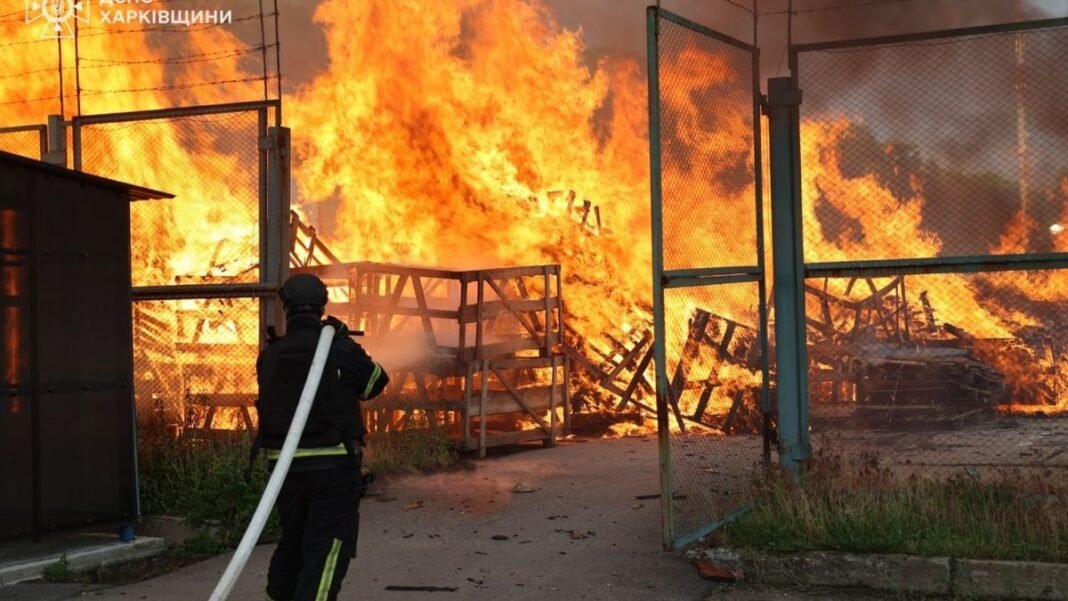
Following a violent Russian attack on Ukraine, President Vladimir Putin may find temporary satisfaction despite the heavy civilian casualties. This aggressive move, involving nearly 700 missiles and drones, was a retaliatory strike against Kyiv’s successful drone operations and an attempt to assert dominance in the ongoing conflict.
However, despite the significant destruction caused by the assault, Ukraine has been steadily gaining ground against the larger, poorly-trained Russian forces since Christmas. The relentless attacks on the Kremlin’s military infrastructure have also hindered Russia’s ability to sustain its costly war efforts.
Recent strikes by Ukraine on strategic targets like military installations and oil refineries have severely impacted Russia’s capacity to finance the war. As a result, Russia’s claims of victory in the conflict are diminishing, leading to potential challenges during peace negotiations.
President Zelensky of Ukraine has reported significant losses on the Russian side, with thousands of soldiers being incapacitated every month. The deteriorating Russian economy and internal unrest further contribute to the weakening of Putin’s regime.
While Russian attacks garner attention for their brutality, they do little to secure a victory in the war. In contrast, Ukraine’s targeting of vital resources, such as oil fields, poses a significant threat to Russia’s war efforts.
The international community’s actions, like France intercepting a Russian tanker, signal growing pressure on Russia. As the peace process in Ukraine progresses, Putin’s fleeting triumph over recent atrocities is likely to be overshadowed by the escalating challenges his regime faces.