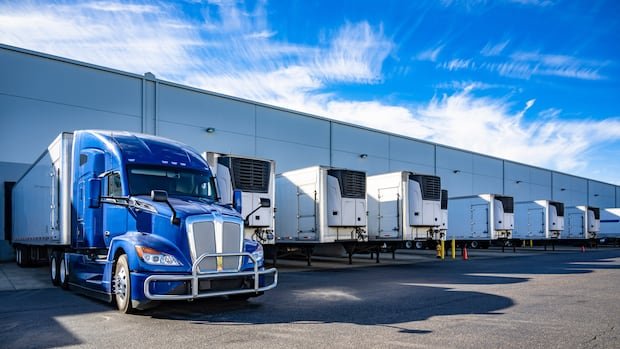
Canadians are preparing for significant price hikes on a variety of products due to the impending counter-tariffs, including American aluminum, toilet paper, furniture, and more. These tariffs will also affect the cost of semi-trailers used for transporting goods across the country.
Ocean Trailer, the primary retailer of semi-trailers in Western Canada, is awaiting a $45 million order comprising 600 trailers from U.S. manufacturers. The company is expediting the transportation of as many trailers as possible across the border before a 25% Canadian counter-tariff on trailers and various other items goes into effect.
Mack Keay, the Chief Operating Officer of Ocean Trailer, mentioned that the 25% additional cost exceeds their profit margin on a trailer, necessitating them to pass on the price increase to customers. This move comes in response to the latest round of tariffs imposed by President Donald Trump’s administration, prompting the Canadian government to implement dollar-for-dollar countermeasures.
Not only Ocean Trailer but also other trucking companies are feeling the impact of these tariffs. The Manitoba Trucking Association expressed concern over the rising costs of semi-trailers, with many businesses rushing to import goods before the tariffs take effect.
The two most common types of semi-trailers used in Canada are dry vans and refrigerated vans. Dry van trailers transport a wide range of goods, while refrigerated vans are essential for perishable items like groceries and pharmaceuticals.
The looming tariffs pose a significant challenge for the industry, as Canadian manufacturers lack the capacity to meet the sudden surge in demand for trailers. The average cost of trailers is approximately $75,000, and a 25% tariff would elevate this cost to around $95,000, impacting both businesses and consumers.
The shortage of trailers due to increased costs may lead to further price hikes and supply chain disruptions, affecting various sectors that rely on trucking services. The industry is bracing for potential bankruptcies if the tariff war persists for an extended period.
In the short term, trucking companies may resort to rentals to cope with the higher costs of purchasing U.S. trailers. However, the escalating demand for rentals could outstrip the available supply, posing challenges for businesses trying to meet customer needs amidst the tariff uncertainties.