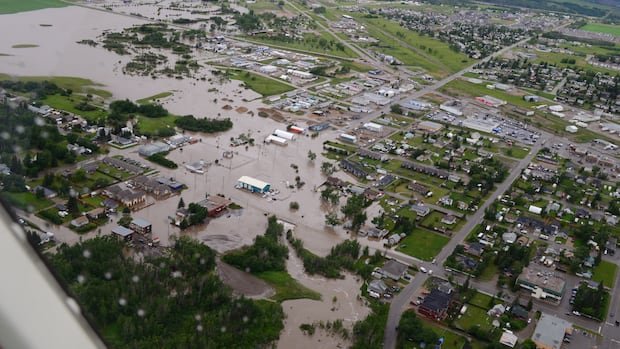
A recent study predicts a future of increased warmth and precipitation in northeastern B.C., along with more severe weather events for communities that have faced major natural disasters in the last decade. By the 2050s, average temperatures in the area could climb up to three degrees, reaching five degrees by the 2080s. This shift may make summers reminiscent of the Okanagan and January temperatures akin to those of past March.
The Fraser Basin Council researchers emphasize that these changes will have wide-ranging effects on infrastructure, water resources, and disaster preparedness for floods, wildfires, and evacuations. The study, commissioned by local governments and Indigenous communities, highlights the urgent need for proactive planning to adapt to the evolving climate.
In recent years, northeastern B.C. has endured significant challenges, such as the 2016 floods that severed the region’s sole road link to the Lower Mainland and the escalating wildfires, including the historic Donnie Creek fire, leading to mass evacuations. Jim Vanderwal, a researcher, underlines the prolonged recovery periods following such disruptions and stresses the necessity of preparing for substantial alterations that could impact the residents’ way of life.
Fort St. John has emerged as a sanctuary for wildfire evacuees, putting a strain on municipal resources and citizen volunteers. The city’s chief administrative officer, Milo MacDonald, acknowledges the growing impact of warmer weather on city operations, particularly the increasing frequency of freeze-thaw cycles in winter, which deteriorate infrastructure. According to the report, the region is expected to experience double the number of freeze-thaw days by 2080, posing significant challenges.
The report also highlights water concerns in the region, forecasting longer growing seasons, more intense heat waves, and reduced snowfall in spring and fall, leading to heightened drought risks. Recent water shortages in Dawson Creek underscore the urgency of developing new water supply solutions. Vanderwal emphasizes the need for proactive planning and resilient infrastructure to mitigate water scarcity challenges anticipated in the future.
In conclusion, the study underscores the critical importance of strategic planning and infrastructure investments to cope with the changing climate in northeastern B.C. Adapting to these projections will be crucial for safeguarding communities and ensuring sustainable development in the region.