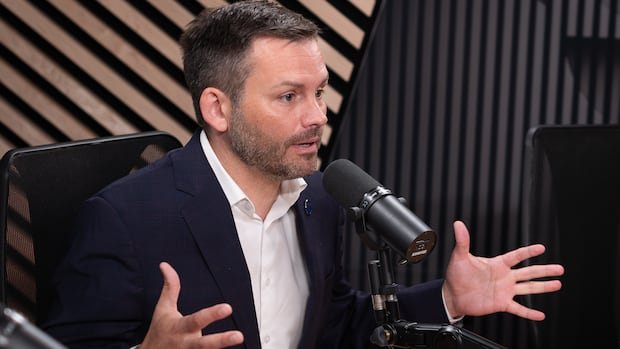
Paul St-Pierre Plamondon, the leader of the Parti Québécois, made it clear in recent media interviews that a referendum on sovereignty is not on the immediate horizon. With Quebec’s election campaign about to kick off, St-Pierre Plamondon stated that he will refrain from holding a referendum as long as U.S. President Donald Trump remains in office until January 20, 2029.
If his party secures a majority in the upcoming October 5 election, St-Pierre Plamondon would have about a year and a half remaining in his first mandate to potentially organize a referendum. He emphasized that the focus of the next government would be rectifying the issues created by the current Coalition Avenir Québec (CAQ) administration.
St-Pierre Plamondon explained that the impact of U.S. politics on Canada has been noticeable, citing Mark Carney’s campaign tactics as an example. The decision to wait until after Trump’s term is a strategic move to address concerns regarding the uncertain economic climate, particularly in light of impending U.S. tariffs.
Poll analyst Philippe Fournier commented on the timing of St-Pierre Plamondon’s announcement, recognizing the leadership’s attempt to alleviate voter anxieties surrounding global uncertainties. Despite the PQ maintaining a slight lead over the Quebec Liberal Party in opinion polls, the general sentiment among voters appears to be against an immediate referendum.
The move by St-Pierre Plamondon was met with criticism from opposition parties, with Éric Duhaime of the Conservative Party of Quebec dubbing him a “referendum weather vane.” Similarly, Quebec Liberal Party Leader Charles Milliard expressed skepticism about the PQ’s clarity of intentions, viewing the postponement as a sign of weakness in the separatist agenda.
Current Quebec Premier Christine Fréchette condemned the announcement as “irresponsible” given the looming tariff challenges. St-Pierre Plamondon reaffirmed his commitment to holding a referendum within the first mandate of a PQ government, aiming for a clear and comprehensive campaign on all fronts.
Fournier highlighted the potential appeal of St-Pierre Plamondon’s revised strategy to soft nationalist voters who may prioritize a change in leadership over an immediate referendum. However, the effectiveness of this approach remains uncertain in the eyes of observers.