The latest report reveals that the UK economy has stagnated due to a series of cost increases faced by businesses amid the ongoing conflict in the Middle East. According to a survey conducted by S&P Global, overall business output has declined for the second consecutive month.
The downturn has been primarily driven by the service sector, encompassing various industries like banking and restaurants, which make up a significant portion of the economy. Rising costs and reduced consumer confidence, attributed to the Middle East conflict and domestic political uncertainties, have contributed to the challenges faced by businesses.
Although a provisional peace agreement has been reached between US President Donald Trump and Iran, the repercussions of the energy shock and the blockade of the Strait of Hormuz are expected to have a prolonged impact on the economy. Companies have experienced a notable decrease in new work, leading to job cuts.
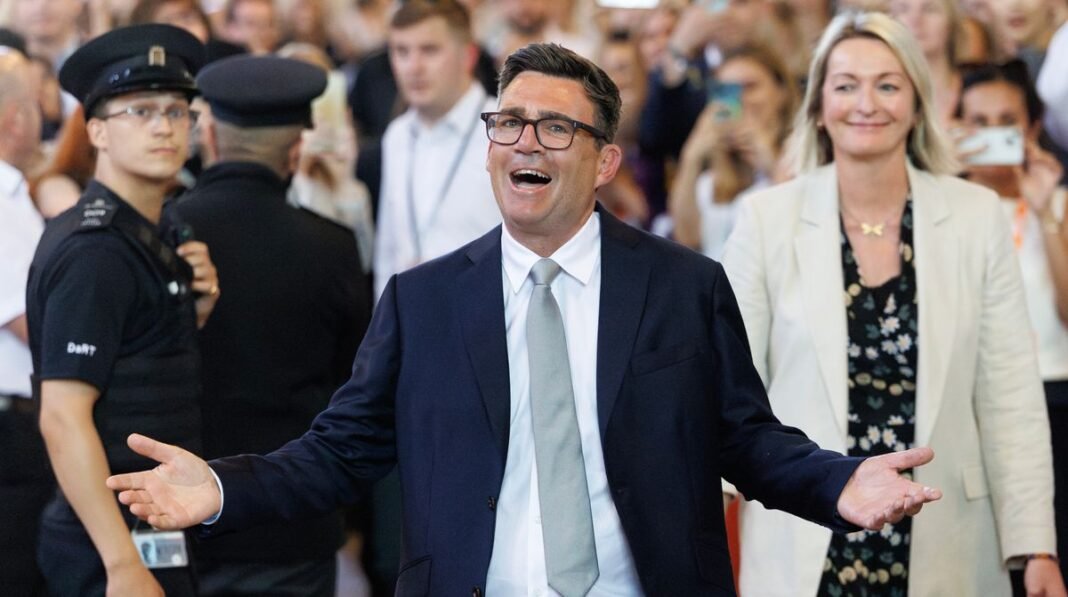
S&P Global anticipates a 0.1% contraction in the economy this month, marking three consecutive months of no growth. The bleak economic scenario presents a formidable task for the upcoming Prime Minister, with Andy Burnham likely to take the helm. The selection of the Chancellor, potentially Rachel Reeves, will be crucial in navigating the economic challenges.
Chris Williamson, the chief business economist at S&P Global Market Intelligence, highlighted the persistent price pressures resulting from the energy shock and supply disruptions caused by the Middle East conflict. He emphasized the detrimental impact on employment due to high costs and subdued growth expectations.
Looking ahead, Thomas Pugh, chief economist at RSM UK, expressed skepticism about significant growth throughout the year. Despite a potential smooth transition of leadership, uncertainties remain regarding fiscal policies. The forecast suggests that the Bank of England will maintain interest rates in the near term before considering cuts in 2027.
Professor Joe Nellis, economic adviser at MHA, emphasized the critical role of a thriving services sector in driving broader economic recovery. He underscored the importance of sustained confidence and the need for easing inflationary and geopolitical pressures to create a stable business environment. Despite the current challenges, the outlook for the economy remains uncertain.