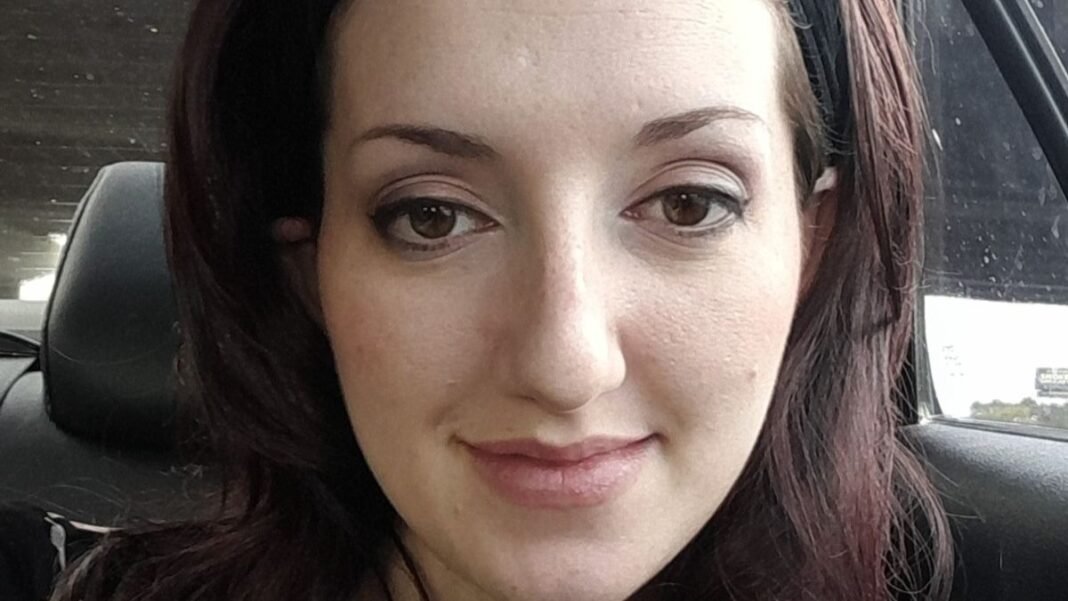
A woman experienced two instances of clinical death during a medical procedure for a suspected ectopic pregnancy. Hinda Abrahams underwent what was expected to be a routine laparoscopic surgery but woke up in intensive care to the shocking news that her heart had stopped twice due to an allergic reaction to anesthesia, causing her to be ‘dead’ for 20 seconds. Hinda, a 28-year-old teacher, recalled the moment of awakening in the ICU, realizing the severity of the situation based on the time elapsed since the operation began.
The series of events unfolded when Hinda started feeling abdominal pain and spotting on 30 January. Despite being consistent with her birth control regimen and having a recent period, she sought medical attention after her husband, Theodore, urged her to do so. The diagnosis of a positive pregnancy test came as a surprise to Hinda, who suspected an ectopic pregnancy due to her symptoms.
An ectopic pregnancy occurs when a fertilized egg implants outside the uterus, typically in a fallopian tube. Following confirmation of a miscarriage and the presence of a mass near her ovary, doctors planned a surgical procedure to address the suspected ectopic pregnancy. However, complications arose as Hinda’s heart stopped twice during the operation due to an allergic reaction to anesthesia.
Despite the critical situation, Hinda survived the ordeal without any significant long-term injuries. After spending three days in intensive care and dealing with post-operative complications, including pneumonia and signs of heart failure, she gradually began to recover. Reflecting on the miraculous turn of events, Hinda expressed gratitude for her survival and emphasized the importance of not dismissing pregnancy tests, as early detection could be life-saving in such cases.
Now at home recuperating, Hinda marvels at her unlikely second chance at life and the absence of permanent damage. She highlights the significance of staying vigilant about one’s health and advocating for necessary medical assessments, even in seemingly improbable scenarios like hers.