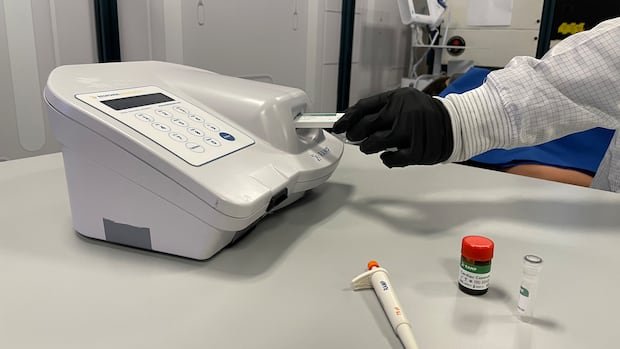
Canadian astronaut Joshua Kutryk is set to launch from Cape Canaveral, Florida, on October 1, carrying innovative Canadian technology. The dangers of living and working in space, including potential blood clot formation, have led NASA to seek ways to quantify and mitigate risks for astronauts. To address this concern, NASA has partnered with Vancouver-based Response Biomedical to utilize their technology for monitoring blood clot indicators in space.
The technology, known as Acute Care Testing in Space (ACTIS), is based on the company’s existing RAMP technology and can quickly detect D-dimer levels in the blood, a crucial data point for flight surgeons. This portable device is not only capable of identifying blood clots but also screening for heart attacks, COVID-19, and other conditions. With the ability to provide results within minutes, ACTIS offers a significant advancement in healthcare diagnostics, particularly in remote communities where timely testing is critical.
Response Biomedical CEO Taso Tsonis emphasized the importance of advancing reliable and portable testing solutions for both space missions and terrestrial healthcare settings. The potential success of ACTIS on the International Space Station could pave the way for its use in future space exploration missions, including lunar or Mars expeditions. The selection of ACTIS for the ISS mission is seen as a testament to Canadian innovation and technological expertise, highlighting the country’s contribution to cutting-edge advancements in space research and healthcare applications.