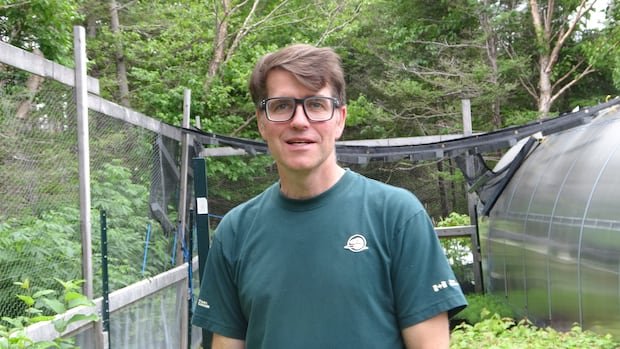
Crews are currently engaged in a major tree-planting initiative within Gros Morne National Park in western Newfoundland to aid in the recovery of its forests following significant damage caused by a previously prolific moose population. Darroch Whitaker, an ecosystems scientist with Parks Canada stationed in Gros Morne National Park, reported that approximately 730,000 trees have been planted since 2023 in areas that were once lush forests but were transformed into grasslands due to extensive grazing by moose. The plan is to continue planting for another three years, with a goal of planting 1.25 million trees across a total area of about four square kilometers.
The reforestation efforts are not solely focused on restoring the original forest landscape disrupted by the moose. Whitaker emphasized the planting of a diverse mix of tree species capable of thriving in warmer temperatures, thus establishing resilient new forests better equipped to withstand the impacts of climate change. Looking ahead to the future, Whitaker highlighted the importance of selecting tree species that can adapt to anticipated climate conditions over the next century.
Gros Morne National Park is renowned for its dramatic fjords and boreal forests intersected by rivers and waterfalls. Established in 1973, the park spans 1,805 square kilometers and stands as the second-largest national park in Atlantic Canada. While moose are a common sight throughout Newfoundland, they flourished in Gros Morne due to a historical hunting ban that shielded them from their primary predator – humans.
At one point in the 1990s, the park harbored around 6,500 moose, with some areas sustaining six or more animals per square kilometer, marking some of the highest moose densities ever recorded globally. The unrestricted presence of moose led to widespread deforestation as they voraciously consumed young trees, exacerbating issues in areas where natural regeneration was impeded by factors such as beetle infestations. To address the escalating moose population, hunting was permitted in the park starting in 2011, resulting in a reduction to a manageable 2,000 animals. Subsequently, in 2023, tree planters began the crucial task of reforesting the barren patches, known as “moose meadows,” within the park.
The tree saplings, typically two years old, are predominantly cultivated at the Rocky Harbour tree nursery. Whitaker and his team are strategically incorporating a variety of tree species, including black and white spruce, balsam fir, yellow birch, white pine, and wild cherry, to create a diverse forest ecosystem. By utilizing seeds sourced from the park’s southern regions, the team aims to ensure that the new trees are genetically acclimated to anticipated temperature changes in the coming decades, facilitating their long-term survival.
Recognizing the limitations of natural migration for trees in response to climate shifts, Whitaker emphasized the importance of human intervention in aiding tree species to adapt to changing environmental conditions. This proactive approach aims to safeguard the ecological resilience and sustainability of Gros Morne National Park for generations to come.