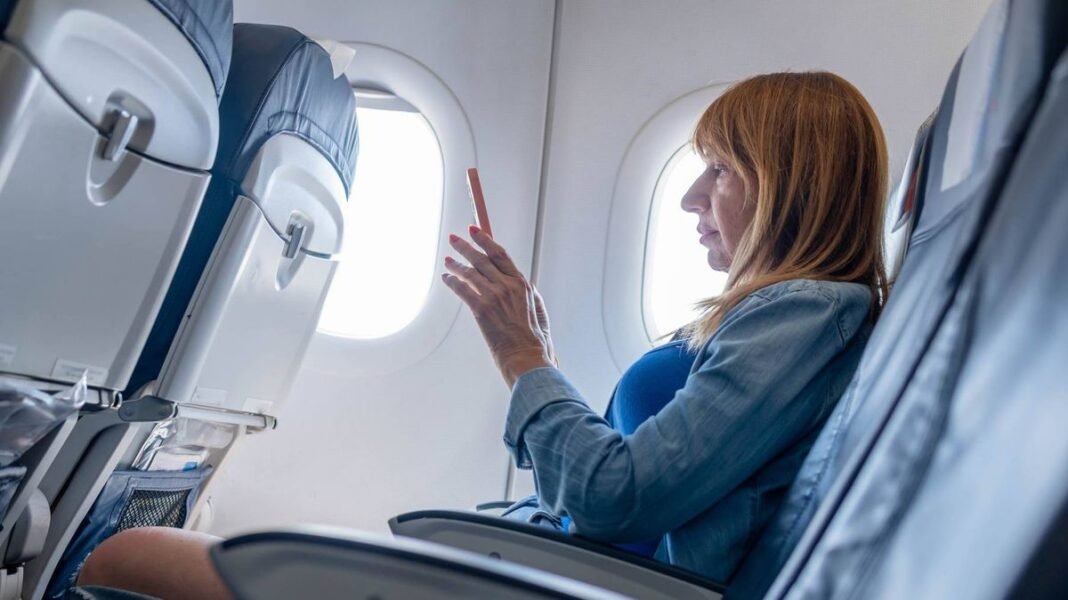
Britons traveling internationally need to be cautious about the common items they bring on flights. When it comes to packing carry-on luggage, there are several restrictions to consider, making it essential to understand what is permissible. One area of confusion involves electronic devices. Contrary to popular belief, passengers are advised to carry most essential gadgets with them in their cabin baggage rather than stowing them in checked luggage.
The official guidance from the Foreign Office indicates that travelers are allowed to bring a variety of electronic items in their cabin baggage, including mobile phones, laptops, tablets, and MP3 players. Surprisingly, passengers can also bring hair straighteners, hairdryers, travel irons, electric shavers, and e-cigarettes in their hand luggage on most airlines.
However, a crucial rule that many travelers may not be aware of is that all electronic devices must be fully charged before boarding. If a device fails to power on upon request, passengers risk being prohibited from taking it onto the plane. This requirement is essential for security checks and ensures that devices can be activated if further inspection is necessary.
For passengers planning to use their electronic devices during the flight, it is imperative to ensure that the devices are charged and operational. Failure to comply with this rule could lead to denial of boarding or even the unfortunate situation of leaving behind a cherished gadget.
Most airlines stress the importance of carrying certain electronic devices in hand luggage due to safety concerns. Items such as loose lithium power banks, external batteries, spare or loose batteries, and e-cigarettes are considered safer in the cabin rather than in the cargo hold. Ryanair, for instance, permits passengers to carry up to 15 personal electronic devices, including smartphones, tablets, laptops, cameras, and headphones.
Furthermore, airlines typically enforce restrictions on spare batteries, limiting them to 20 per person as long as each battery does not exceed 100Wh. It is advisable for travelers to familiarize themselves with the specific rules and regulations of their chosen airline to avoid any inconvenience at the airport.
To ensure a smooth travel experience, always check the airline’s guidelines in advance regarding the items allowed in carry-on luggage.